
When to Consider Replacing Your HVAC System: Signs and Benefits
You wake to a cold floor, the furnace has been grinding away since before sunrise, and the back bedroom still feels like a screened porch. You nudge the thermostat up two degrees and wait. Nothing changes. If that is your house right now, you are not imagining things, and you are not stuck with it for another winter. Here is the one thing worth knowing up front: a heating and cooling system that runs almost nonstop and still leaves rooms cold is usually near the end of its life, not just having a rough week.
We have walked into plenty of homes where the owner kept patching the same tired unit, one season after another, hoping a single repair would buy another year. Sometimes it does. Often it just pushes off a decision that was already made for you. Knowing the honest signs of a failing system, and what you actually gain by replacing your HVAC system, lets you plan the swap on a mild week instead of during a deep freeze when nobody wants to lose heat overnight.
The Signs Your System Is Ready to Be Replaced
Age tells you more than any single rattle or smell. Most furnaces give solid service for about 15 to 20 years, and central air conditioners for 12 to 15, before parts wear past the point of easy fixing. Once yours crosses 15 years, every repair becomes a fair question: are you putting good work into a unit that is simply running out of road?
Watch for heating bills that climb while your habits stay the same. That creep usually means the system burns more fuel to push out the same warmth. Uneven rooms are another tell. If the living room roasts while the bedrooms stay chilly, the equipment can no longer move air the way it should. Short cycling, where the furnace kicks on and off every few minutes, points to a system fighting itself. Add in loud booms at startup, a burning or musty smell, or repair visits that come closer together each year, and the pattern is hard to miss.
Why an Older System Works Harder for Less
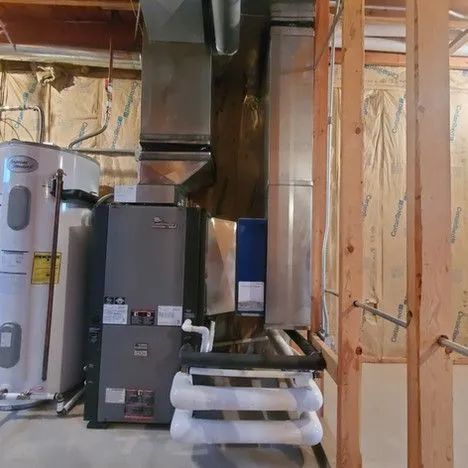
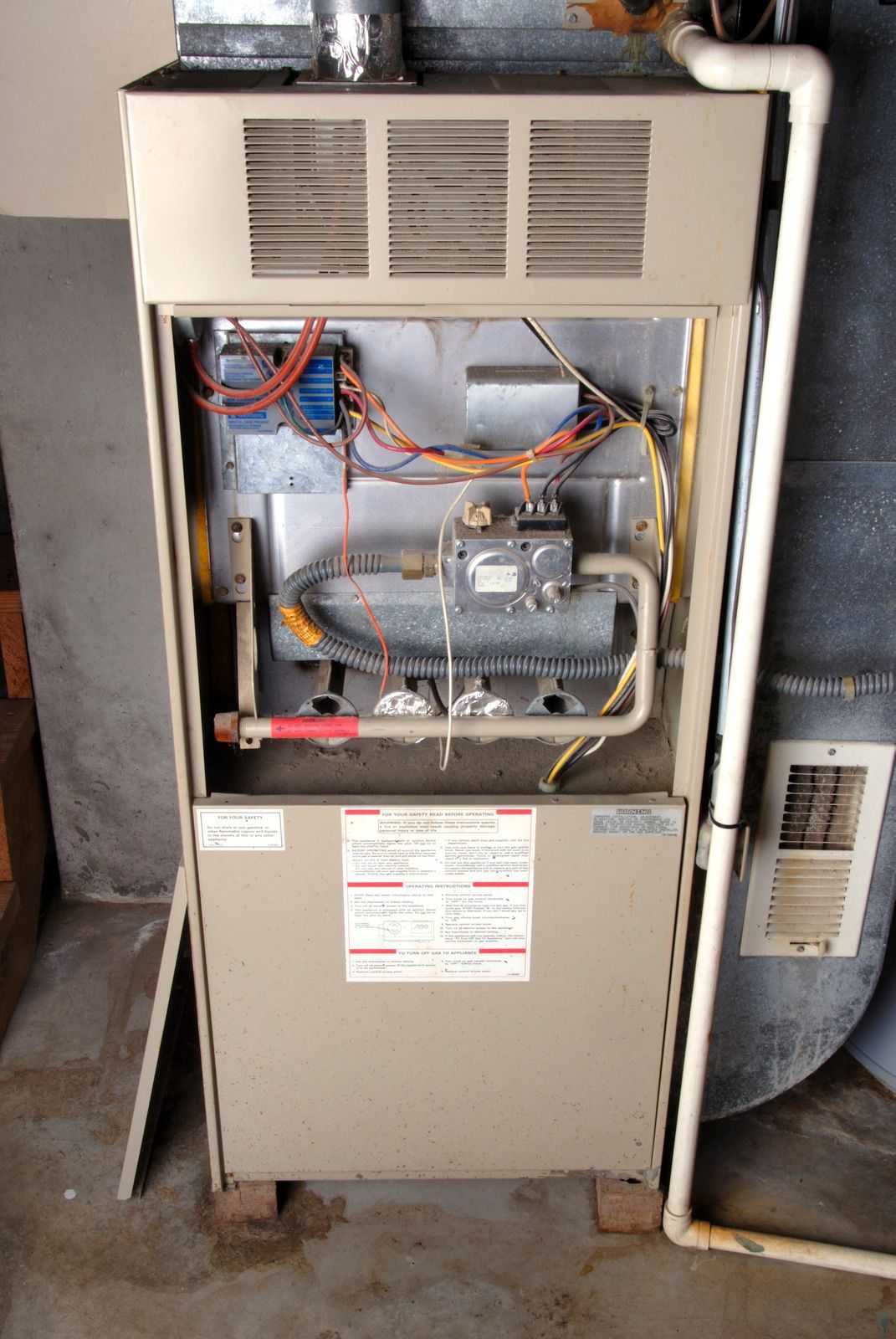
Here is what actually happens inside an aging furnace. The heat exchanger, the metal chamber that warms your air, expands and contracts with every cycle. After thousands of cycles the metal fatigues and can crack. A cracked exchanger loses efficiency and can leak combustion gases into your home. The blower motor wears too, spinning slower and moving less air across the coil.
On the cooling side, an old compressor strains to hold pressure where it belongs, and refrigerant performance drops as seals age. The result is a system that draws more power to deliver less comfort. You feel it as longer run times and rooms that never quite hit the number on the wall. It builds slowly, which is why so many people miss it until a hard cold snap finally exposes how little the old unit has left.
How We Tell a Repair From a Replacement
On service calls we frequently find the answer hiding in three checks. First, age and run history, since a unit past 15 years with a thick repair file rarely turns a corner. Second, the heat exchanger and compressor, the two parts that decide whether a fix is worth doing at all. A cracked exchanger or a failed compressor usually tips an older system toward replacement. Third, how the whole system performs together, because a strong furnace paired with a worn coil still leaves you uncomfortable.
We bring a combustion analyzer, a manometer for gas pressure, and meters to read the motor and capacitor. The honest answer we give owners: sometimes a small repair holds for years, and sometimes it only masks a bigger failure waiting a month out. The way to tell is the mix of age, the part that failed, and how hard the system has been working to keep up.
What You Gain by Replacing Your HVAC System
Even heat is the first thing you notice. A right sized new system holds the whole house within a degree or two, so the back bedroom finally matches the living room. Run times drop, which means lower energy use and a furnace that is not roaring all evening. Newer equipment runs quieter too, since variable speed blowers ramp up gently instead of slamming on at full blast.
You also gain steadier humidity, which matters more than people expect in dry mountain air. A modern system manages moisture better, so your skin, your wood floors, and your sinuses all fare better through a long winter. And reliability returns. Instead of bracing for the next failure, you get years of steady performance and a fresh start on filters, airflow, and clean burns. For a home that has limped through several rough winters, that peace of mind is the real prize.
What the Bitterroot Valley Does to Your Equipment
Winters here run long and bite hard. Stretches of subzero nights push a furnace to run nearly without rest for days, and that constant load wears parts faster than the milder national average. A system that might last 20 years in a temperate climate can age out sooner when it spends January running almost around the clock.
Dry mountain air adds its own strain. Low humidity makes homes feel colder at the same temperature, so people set thermostats higher, which means even more run time. Woodstove and fireplace dust is common in valley homes, and that fine ash clogs filters quickly, choking airflow and making the blower work harder. Spring brings big swings, warm afternoons and freezing nights in the same week, so your system flips between heating and cooling more than most. All of it adds up to equipment that earns its retirement a little earlier than the brochure promises.
Keeping a New System Going Strong
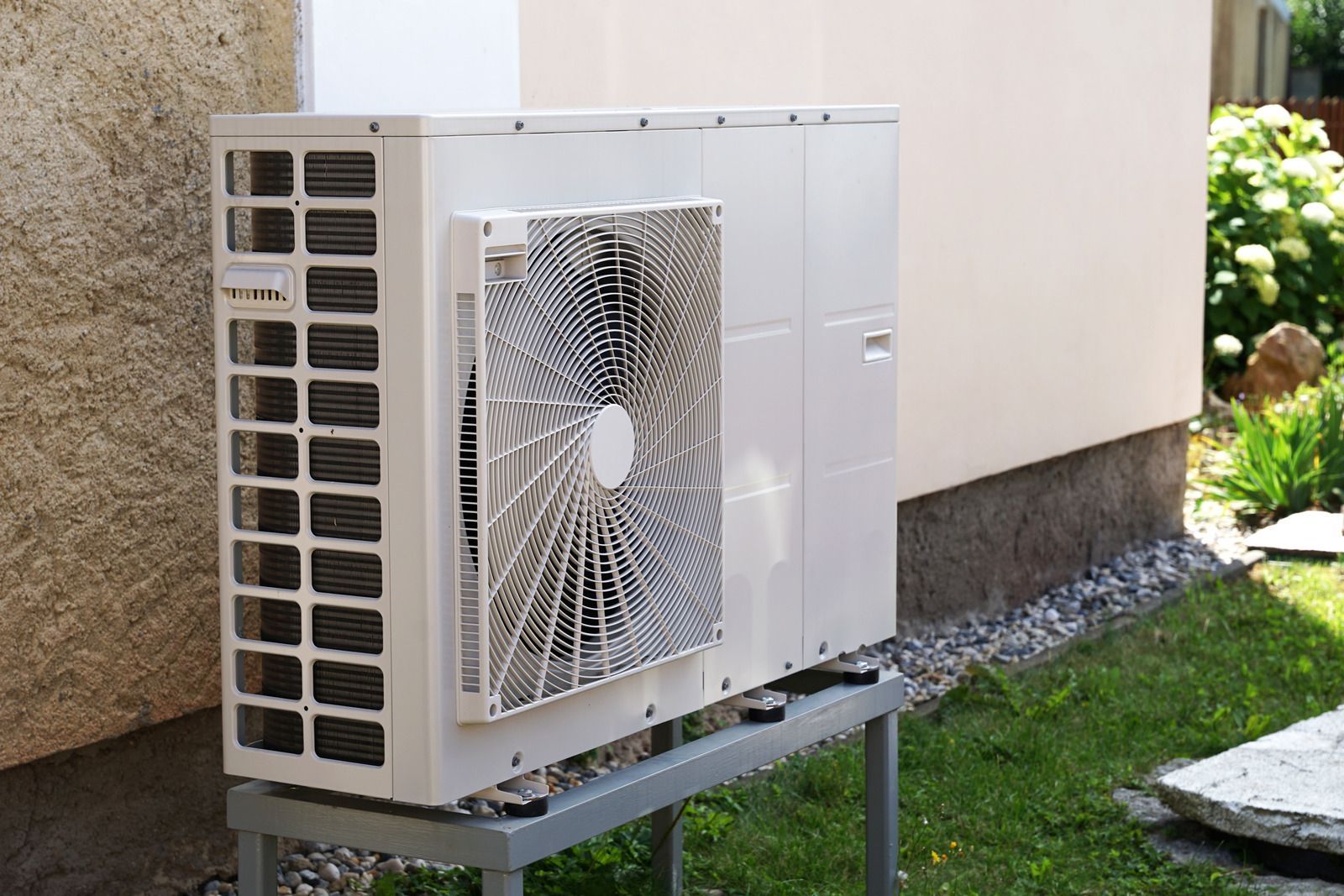
A fresh system rewards a little routine care. Check the filter monthly through winter, since woodstove ash and dry season dust load it faster than you would expect, and swap it the moment it looks gray. Each spring and fall, clear leaves and debris from around the outdoor unit and make sure nothing blocks the airflow.
Once a year, before the first hard freeze, have the burners, heat exchanger, and gas pressure checked by a pro so small problems get caught while still easy to fix. Keep your supply and return vents open and clear of furniture or rugs so air moves freely. That small habit is the difference between a system that quietly lasts two decades and one that limps to half that.
Frequently Asked Questions
How long should an HVAC system last here?
Most furnaces provide reliable service for 15 to 20 years, while central air conditioners often last 12 to 15 years. Montana's long winters and heavy seasonal demand can shorten equipment lifespan. Once your system reaches the 15-year mark, it is wise to begin planning for replacement ahead.
Is it safe to keep running an old furnace?
If you notice burning smells, loud bangs during startup, unusual cycling, headaches, or poor indoor air quality, stop using the furnace and call for service. Older furnaces can develop cracked heat exchangers that allow combustion gases to escape. Prompt professional evaluation helps protect both safety and comfort.
Does the Bitterroot Valley climate wear systems out faster?
Yes. The Bitterroot Valley experiences long periods of subzero temperatures that force heating systems to operate continuously for extended stretches. Dry mountain air, dust, and particles from wood-burning stoves can also clog filters quickly. Together, these conditions accelerate wear and reduce overall equipment lifespan significantly.
Should I replace my furnace and air conditioner together?
In many cases, replacing both systems together is the most cost-effective approach. Furnaces and air conditioners share important components, including the blower and indoor coil. Installing matched equipment improves efficiency, performance, and reliability, while keeping an aging companion unit may reduce the benefits achieved.
How do I know if a repair is enough?
When a system is under ten years old and the issue involves a minor component, repairs are often worthwhile. However, if the equipment is over 15 years old, experiences repeated breakdowns, or struggles to maintain comfort, replacement usually provides better long-term value overall.
Plan the Swap Before the Deep Freeze
The simplest rule holds through all of this: when a system runs harder every winter and still leaves rooms cold, age and a failing core part are usually telling you it is time, not asking for one more patch. That choice carries more weight in the Bitterroot Valley than almost anywhere, because our long subzero stretches give a tired furnace nowhere to hide. Waiting for a deep freeze breakdown is the one move that turns a planned upgrade into a cold night emergency.
When you are ready to weigh replacing your
HVAC system
with someone who has spent 30
years on these valley winters, reach out to M&L Heating & Cooling, Inc
We serve Stevensville and the Bitterroot Valley of Montana, and we will give you the honest read on whether your system has another season left or has finally earned its retirement.