
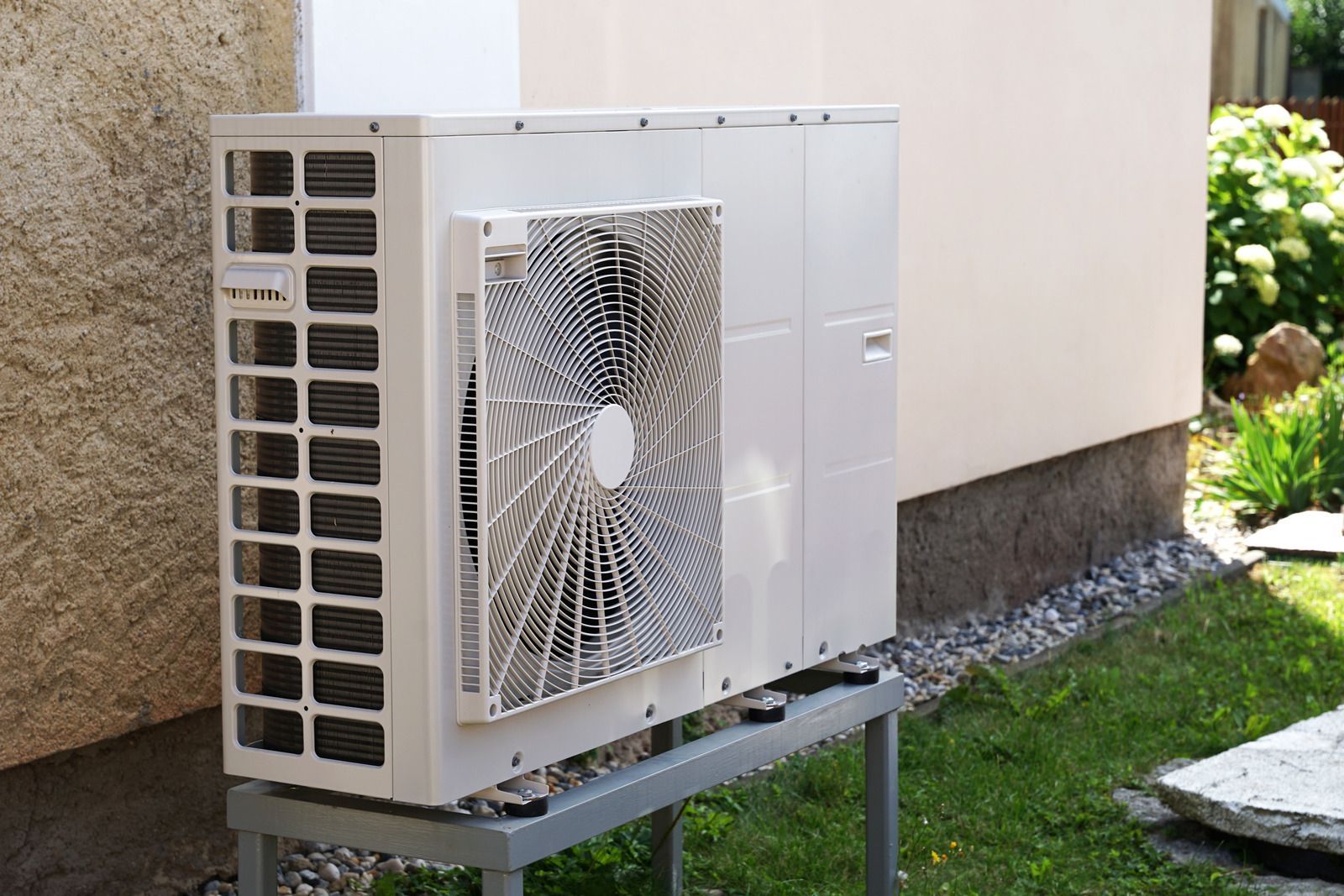
Heat pump blowing cool air in deep cold? Learn when backup heat is normal, why it kicks in, and when ice, airflow, or system issues signal a problem today.
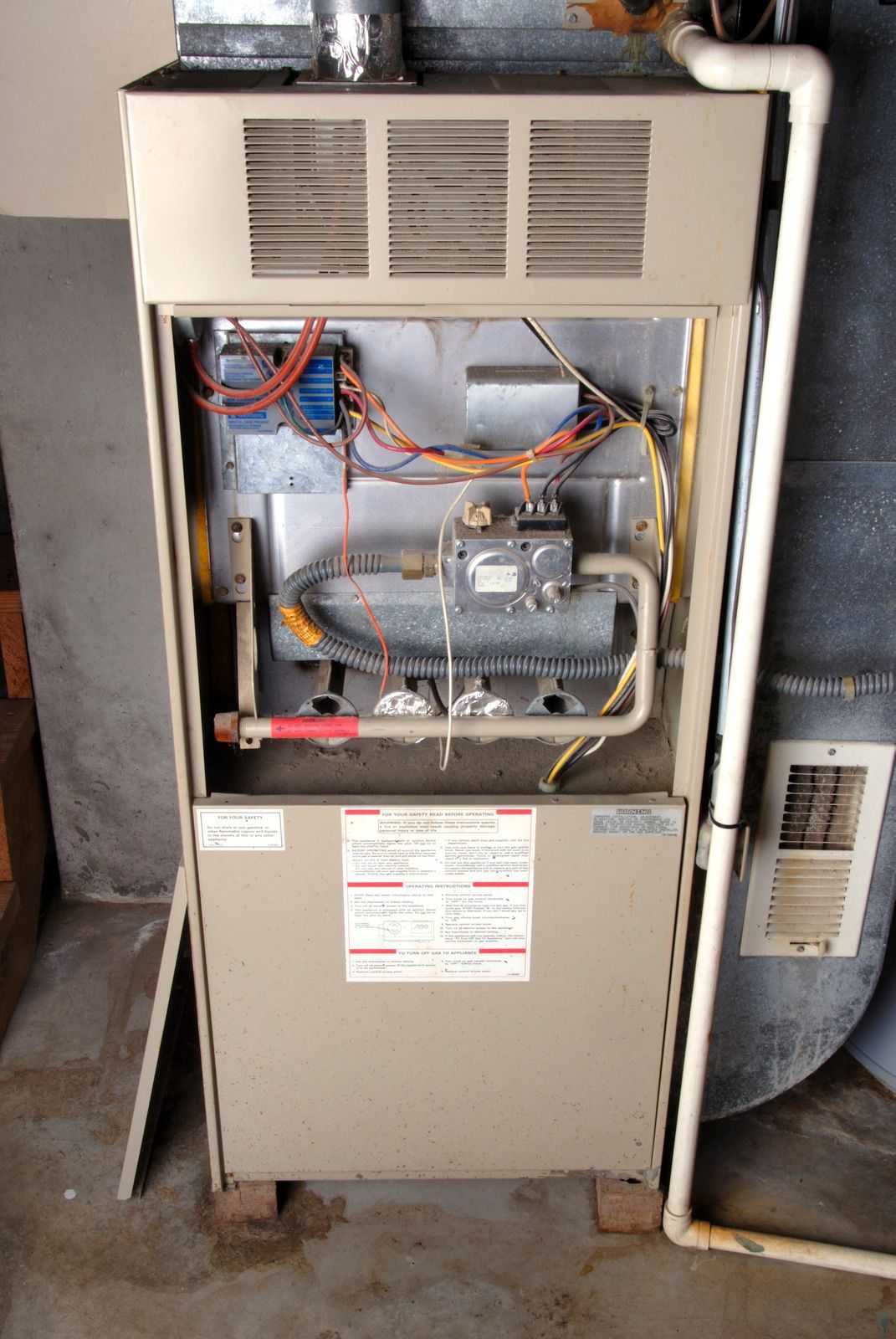
Is your furnace short-cycling in sub-zero mornings? Learn the causes and get tips to keep your HVAC running efficiently.
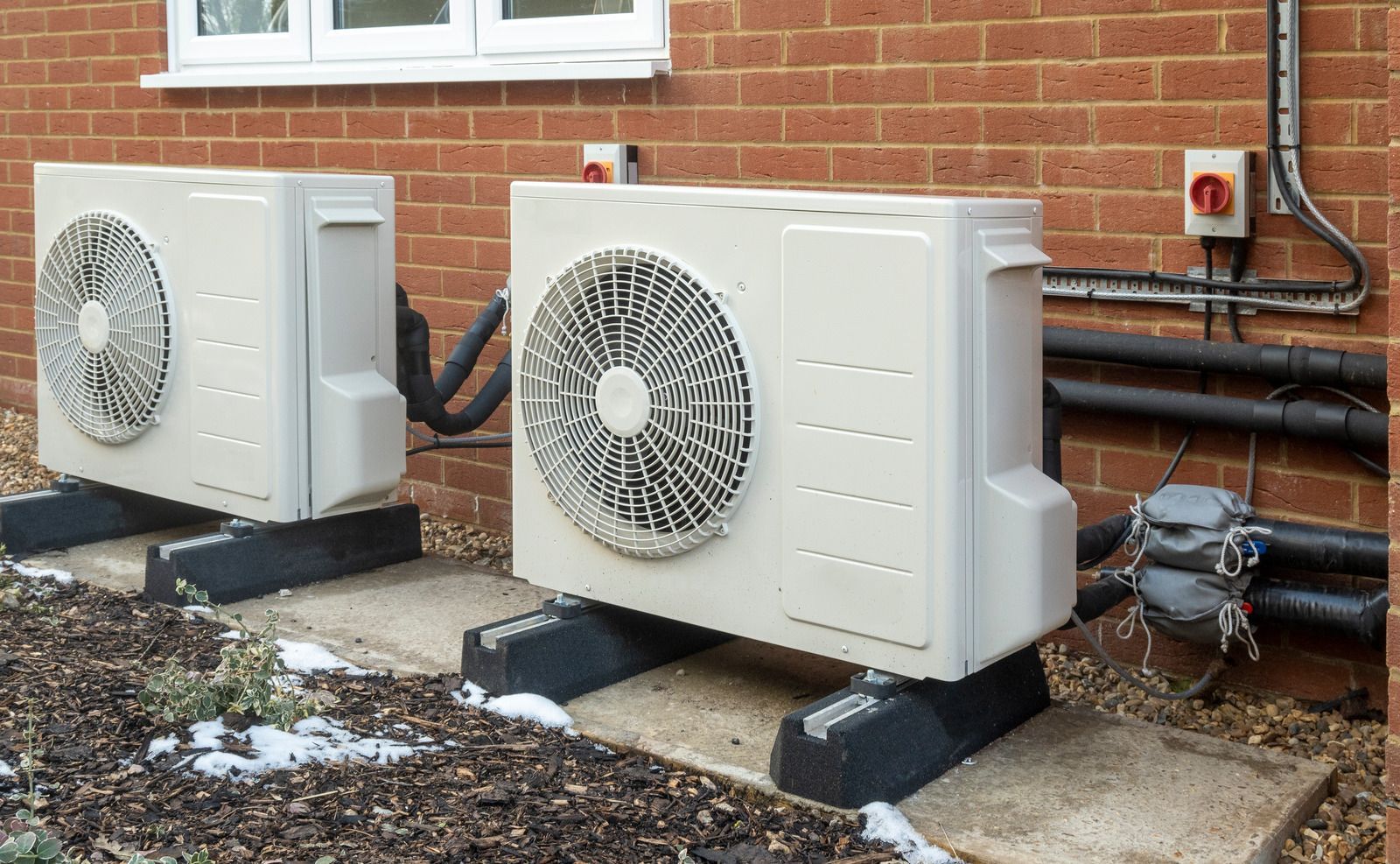
Identify signs your HVAC system needs replacement. Upgrade for better efficiency and comfort. Contact M&L Heating & Cooling today!
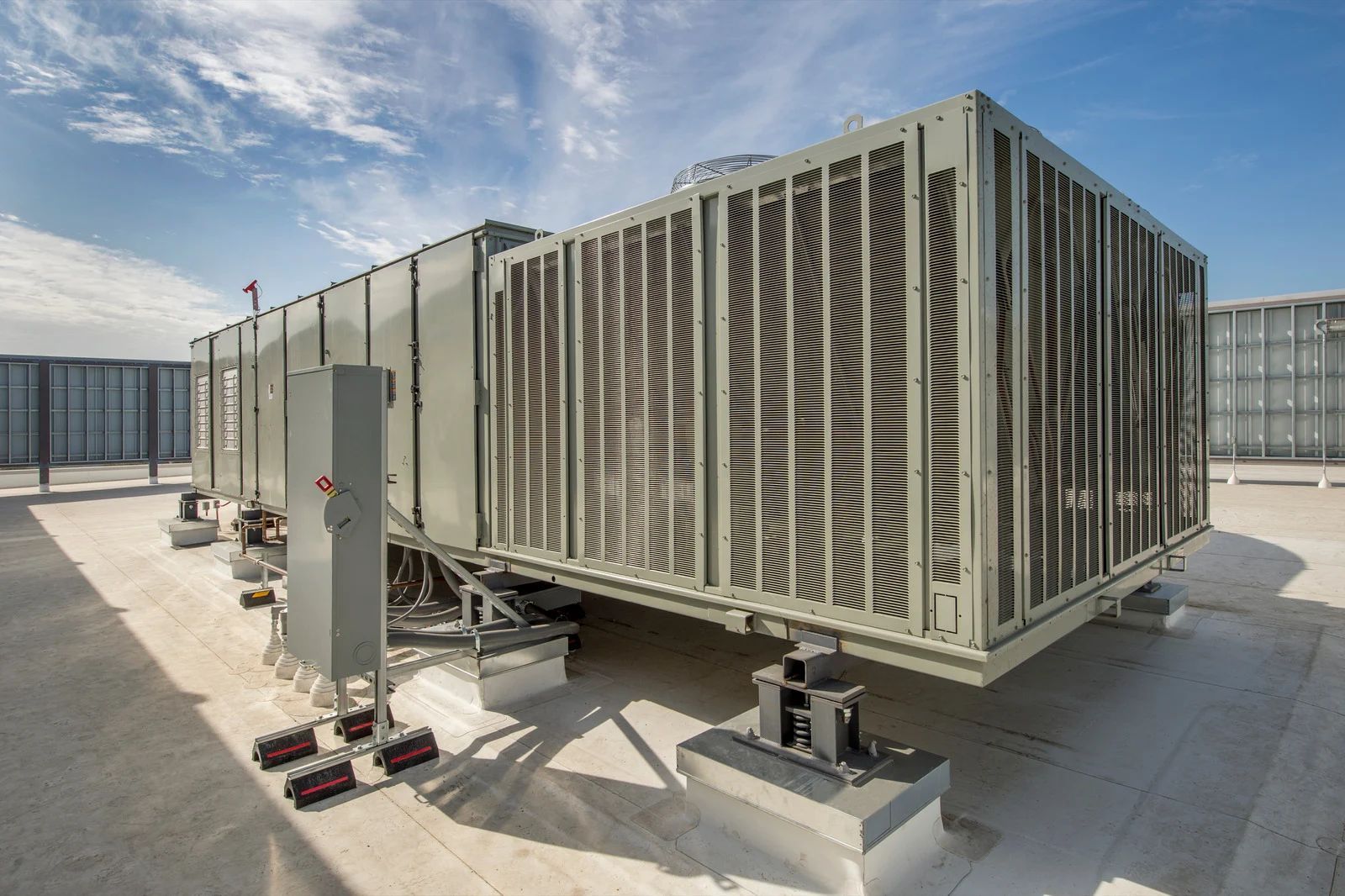
Modern commercial environments depend heavily on controlled indoor climate systems that ensure comfort, productivity, and operational efficiency. A well-designed commercial HVAC system is no longer just a utility feature; it is a critical business asset that directly influences energy consumption,
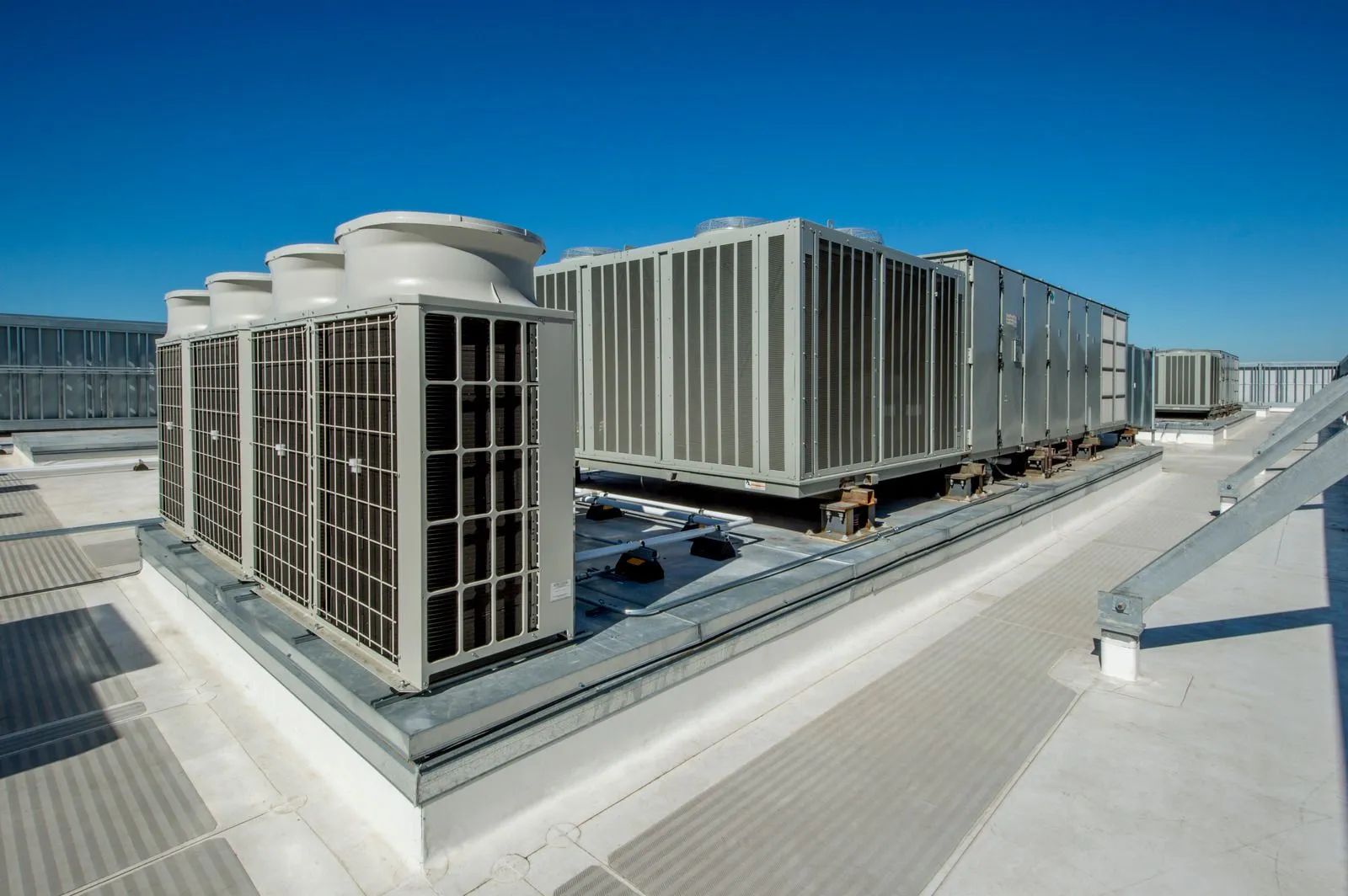
A commercial HVAC system is one of the most critical assets in any business facility, directly influencing comfort, productivity, and operational efficiency. Whether it is an office building, retail store, warehouse, or healthcare facility, heating, ventilation,
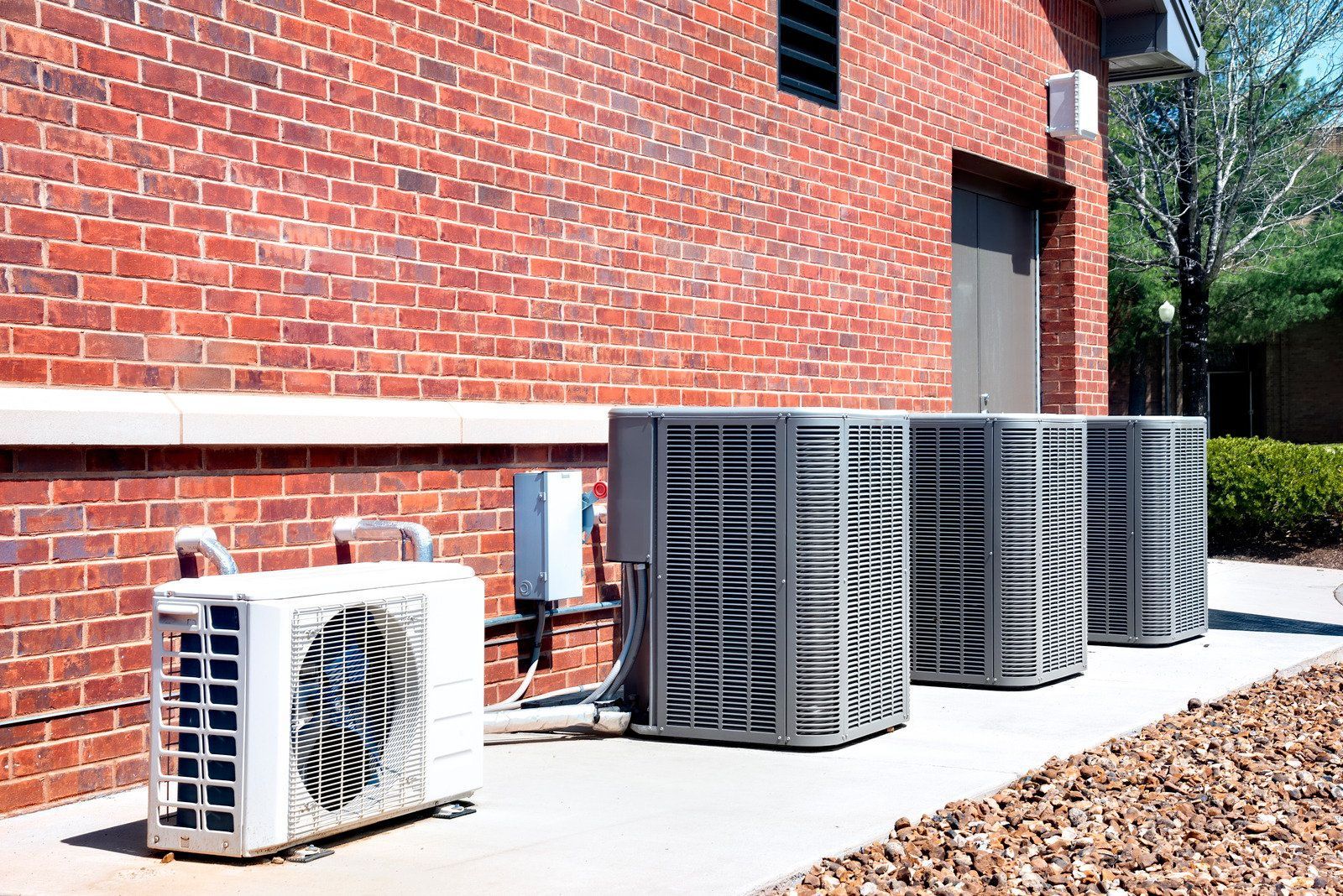
Choosing the right residential HVAC system is one of the most consequential decisions a homeowner can make. Heating and cooling equipment directly affects comfort, indoor air quality, energy consumption, and long-term home operating costs.
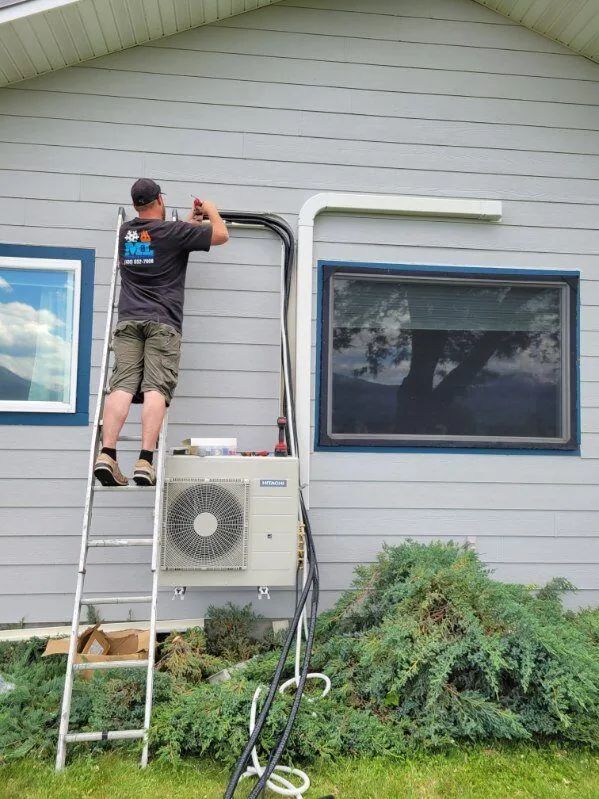
Your home’s HVAC system plays a critical role in maintaining comfort, indoor air quality, and energy efficiency throughout the year. Whether it is the peak of summer heat or the depths of winter cold, homeowners rely on heating and cooling systems to operate smoothly and consistently.
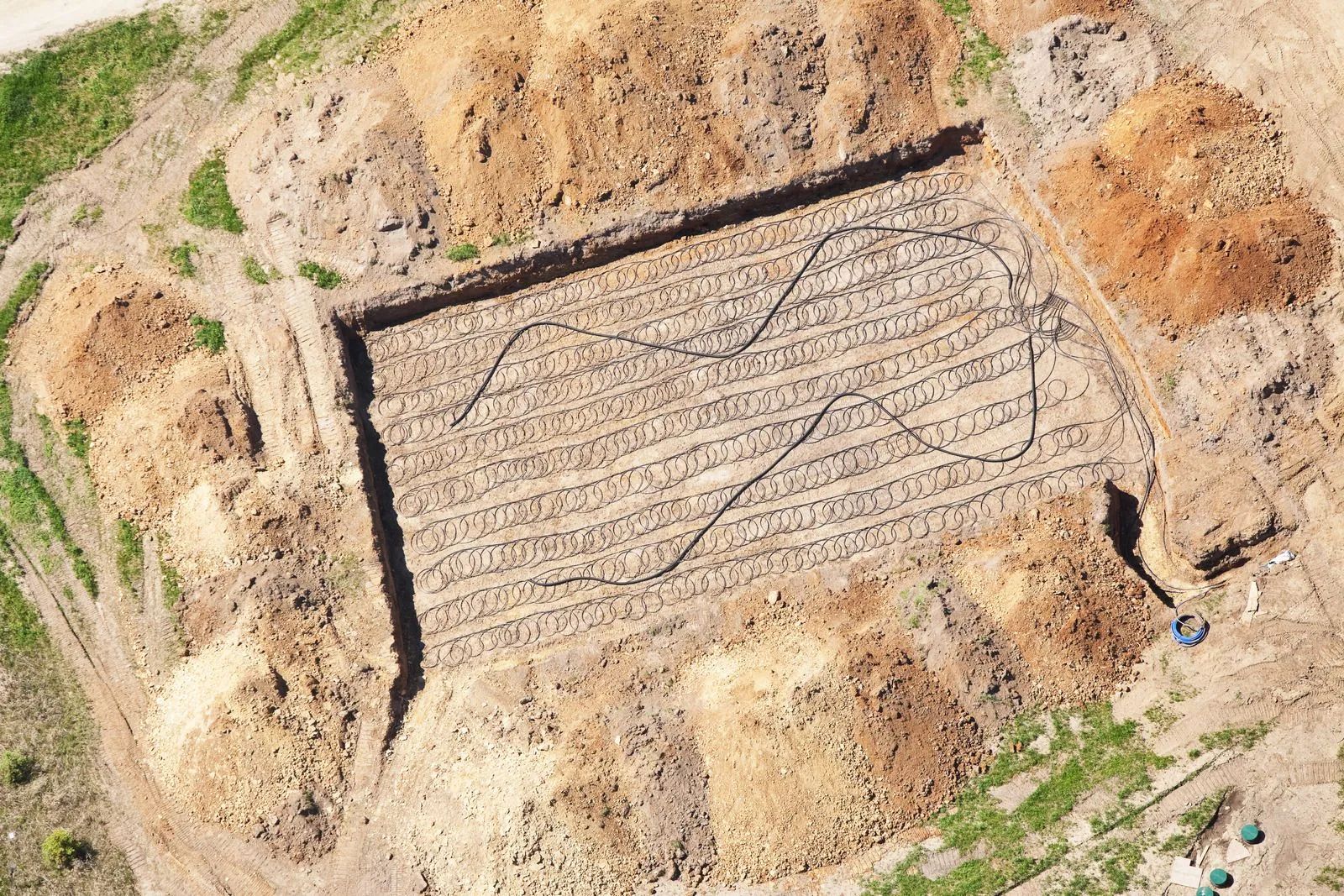
Geothermal HVAC systems are gaining attention as homeowners search for reliable, energy-efficient alternatives to traditional heating and cooling. By harnessing the stable temperatures beneath the earth’s surface, geothermal technology offers a fundamentally different approach to indoor comfort.
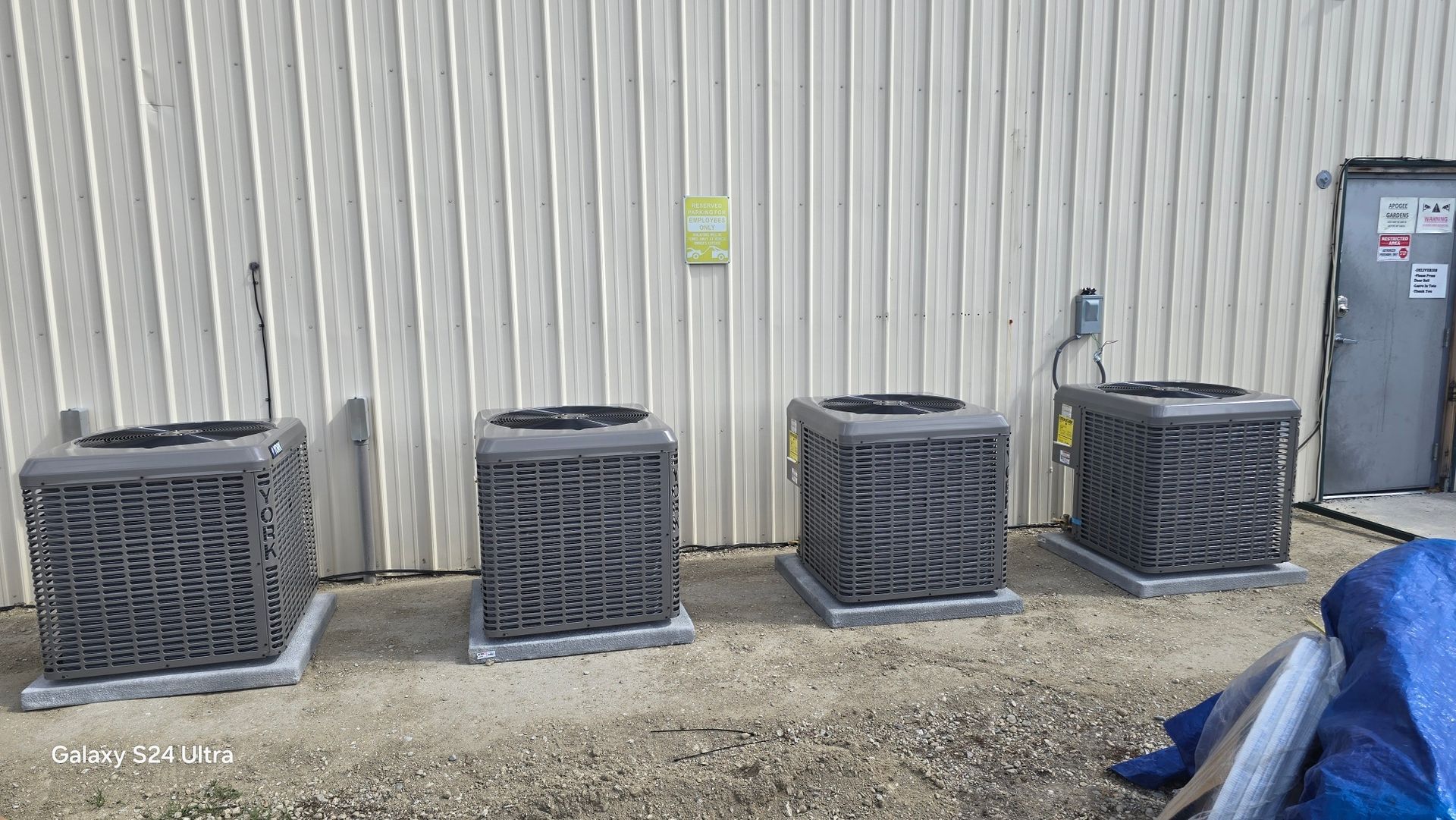
As energy costs continue to rise and homeowners seek sustainable solutions, geothermal HVAC systems have emerged as a highly efficient alternative to traditional heating and cooling methods. Unlike conventional systems that rely solely on air temperature, geothermal HVAC harnesses the consistent temperatures beneath the Earth’s surface to regulate indoor environments. This innovative approach not only reduces energy consumption but also contributes to a smaller carbon footprint, making it an increasingly attractive option for environmentally conscious households and businesses alike. Understanding how geothermal systems function and the benefits they offer is essential for anyone looking to optimize energy efficiency and lower monthly utility bills. The relevance of geothermal HVAC extends beyond energy savings. Modern building standards and green construction initiatives emphasize sustainable practices, and geothermal technology aligns perfectly with these trends. By using the Earth’s stable underground temperature, these systems provide reliable heating in winter and cooling in summer while reducing strain on the electrical grid. Additionally, advances in technology have made installation and maintenance more feasible than ever, allowing homeowners to enjoy long-term savings and comfort. In this blog, we will explore how geothermal HVAC works, its advantages, potential challenges, and strategies for maximizing its efficiency, helping you make informed decisions about upgrading your home or commercial property.