
Propane Furnace Burning Through Fuel Fast This Winter? What to Check
Quick Answer: A propane furnace that burns through fuel faster than usual is almost always losing efficiency somewhere, not just reacting to cold weather. The usual causes are dirty burners or a restricted airflow path that make the furnace run longer, leaky or uninsulated ducts that waste a large share of the heat before it reaches a room, a furnace that short cycles, thermostat habits that force long recovery runs, and building envelope losses in an older home. Sometimes the furnace is fine and the real draw comes from other propane appliances or a tank gauge that was misread. Compare the pattern of your fuel use against the weather, check the filter and vents, and have the burner flame, gas pressure, and temperature rise measured before the next delivery.
You watched the tank gauge in October and it looked comfortable. Now it is the first week of a real cold snap, the overnight lows are well below zero, and the needle seems to be dropping faster than it did last winter. Maybe the supplier's truck has already been out once. Maybe you are standing at the tank in the snow, wondering whether the house is simply asking for more heat or whether something is quietly wrong.
That is a fair thing to wonder, and it has an answer. A furnace that runs on propane does not burn extra fuel for no reason. Either the house is demanding more heat, or the system is delivering less of it for every gallon, or something other than the furnace is drawing from the same tank. Sorting those three possibilities apart is most of the job, and you can do a good part of it yourself before anyone has to climb into your crawlspace.
Start by Asking Whether the Cold Explains It
Compare This Winter to the Last One Honestly
Propane consumption rises during prolonged cold spells, even with efficient equipment. Compare delivery records against temperatures, watching for unusual usage increases during milder periods that suggest possible heating system problems.
Watch the Run Time, Not Just the Tank
Furnaces run longer during extreme cold, but nonstop operation on mild days may signal poor performance. Heat escaping through flues or attic ductwork can increase propane consumption unnecessarily.
Look at What Changed
New additions, converted garages, replacement doors, extra freezers, hot tubs, propane dryers, and heated guest rooms increase demand. Documenting household changes since last winter helps identify consumption increases quickly.
Dirty Burners and Poor Combustion Waste Fuel Quietly
The Burner Is Where the Fuel Becomes Heat
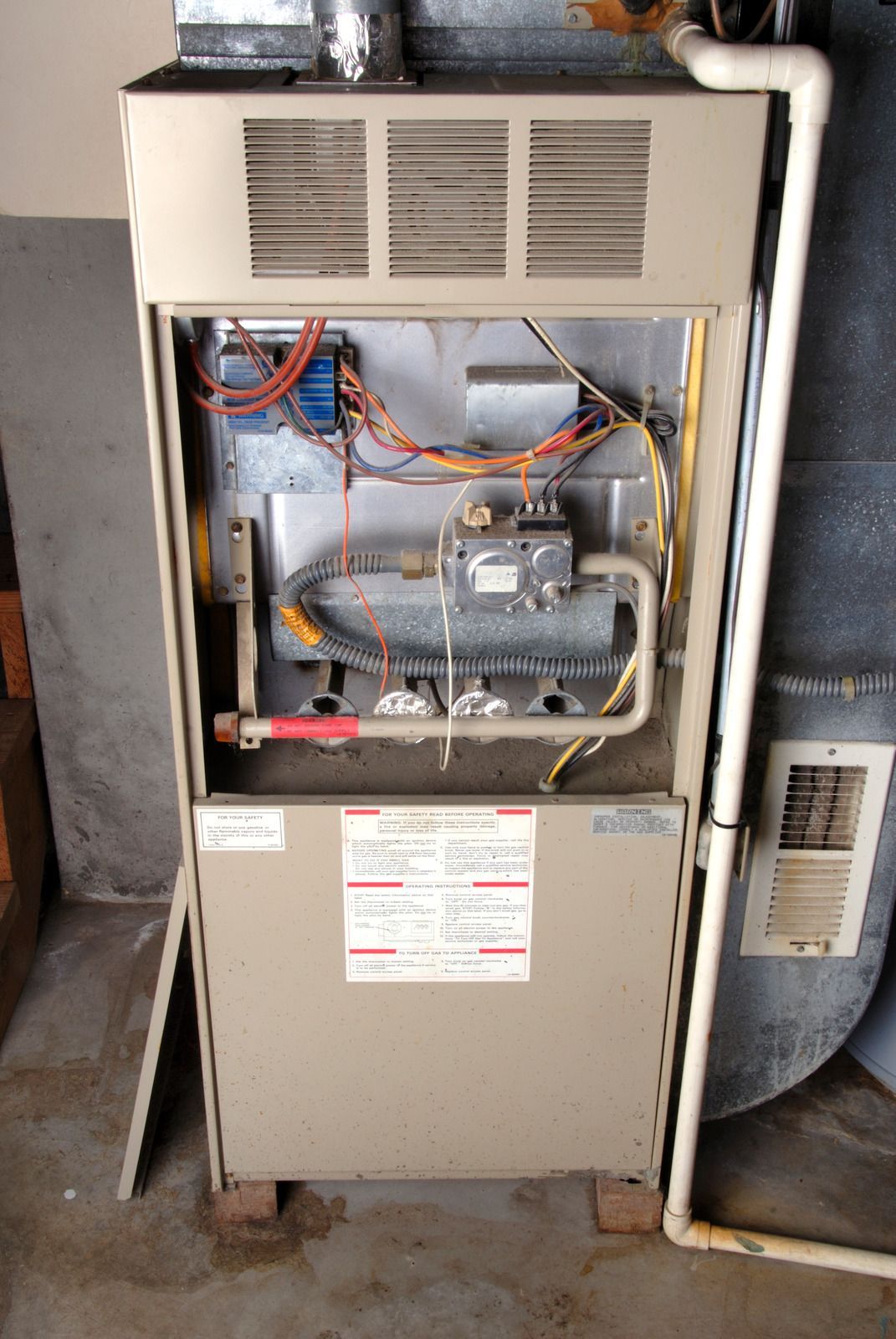
Dust, lint, and rust can clog burner ports and sensors, causing inefficient combustion, repeated ignition attempts, and unnecessary propane use. Annual professional cleaning helps maintain reliable heating performance and reduces avoidable fuel consumption.
A Good Flame Is Steady and Mostly Blue
A yellow, flickering, or lazy flame may indicate dirty burners, restricted combustion air, or incorrect gas pressure. Because incomplete combustion can produce carbon monoxide, shut off the furnace and arrange professional inspection immediately.
Gas Pressure and Orifice Size Matter at Altitude
Higher elevations require appropriate furnace input adjustments. Incorrect orifices or manifold pressure can waste propane and create soot buildup. A qualified technician should verify settings using a manometer and combustion analyzer, especially after conversions or relocations.
Tip: Take a photo of your furnace flame with your phone while it is running, and take another one after the tune up. A side by side comparison tells you right away whether the burner cleaning changed anything, and it gives your technician a useful reference if the problem comes back.
Restricted Airflow Makes the Furnace Work Harder
A Clogged Filter Lengthens Every Cycle
Dirty filters restrict airflow, causing overheating, limit-switch shutdowns, and repeated ignition. Check filters monthly during heating season and replace them when visibly clogged with dust, pet hair, or seasonal ash.
Closed Vents and Blocked Returns Fool the System
Closing vents increases system pressure and reduces airflow, often causing overheating and inefficient heating. Keep registers open, and move furniture or rugs away from return grilles and floor vents.
A Weak Blower Makes the Whole House Feel Colder
A struggling motor, dirty blower wheel, or failing capacitor reduces airflow while propane consumption continues. Technicians measure furnace temperature rise against specifications to identify airflow problems or overheating.
Leaky Ducts Throw Away Heat Before It Reaches You
Ducts Are the Least Visible Place to Lose Fuel
The Department of Energy estimates typical homes lose 20–30% of duct airflow through leaks. Ducts running through cold spaces waste heated air, forcing furnaces to consume more propane.
Older Homes and Additions Are the Usual Suspects
Loose flex ducts, unsealed seams, crawlspace return leaks, and poorly connected additions waste heat. Warm air escaping into crawlspaces or disconnected duct sections signals problems needing prompt repairs.
Insulation Matters as Much as Sealing
Even airtight ducts lose heat through uninsulated walls in freezing spaces. Properly sealed, insulated ducts deliver more furnace heat indoors than bare metal ducts in cold attics.
Short Cycling and Oversizing Burn Fuel Without Heating the House
An Oversized Furnace Runs in Short Bursts
An oversized furnace starts and stops frequently, wasting fuel during repeated warmup cycles. Insulation upgrades and replacement windows can reduce heat loss, making an existing furnace unnecessarily large for the home.
Poor Airflow or Faulty Sensors Can Also Cause Short Cycling
Dirty flame sensors, restricted airflow, or faulty pressure switches interrupt heating repeatedly. The thermostat continues calling for heat, but frequent restarts waste propane while the home struggles to warm.
Thermostat Habits and Temperature Recovery
Deep Setbacks Can Use Extra Fuel in Very Cold Weather
Lowering temperatures significantly overnight may require prolonged heating during morning recovery. Poorly insulated homes struggle most, so smaller setbacks or steady settings during extreme cold can reduce discomfort and improve efficiency.
Check Where the Thermostat Sits
Thermostats near exterior walls, drafty doors, or heat sources may misread indoor temperatures. Verify placement, sensor accuracy, and smart thermostat settings to ensure compatibility with your gas furnace.
The House Itself May Be Asking for More
Air Leaks and Thin Insulation Raise Demand
Gaps around rim joists, attic hatches, recessed lights, and fireplace dampers release heated air. Check for drafts near windows, doors, and frost around attic openings.
Chimneys and Exhaust Paths Count
Older furnaces using indoor combustion air can pull heated air through flues, drawing cold air inside. Fireplaces worsen losses, so ensure proper combustion air supply.
Check the Tank, the Regulator, and Everything Else on the Line
Not Every Propane Problem Is a Furnace Problem
Water heaters, ranges, dryers, fireplaces, generators, and heated shops share propane supplies. Check every appliance for excessive operation or leaks before blaming the furnace for increased consumption.
The Gauge Is Not Always Telling the Whole Story
Cold temperatures affect propane vaporization, especially when tank levels are low. Maintaining approximately thirty percent capacity during winter helps support supply and provides flexibility for deliveries.
A Leak Is a Different Kind of Emergency
If you smell propane or hear hissing, leave immediately without operating switches or flames. Call your supplier from outside, and request professional testing if unexplained consumption continues.
Warning: Never try to adjust gas pressure, clean burner orifices, or open the gas train on a furnace yourself. A burner that is adjusted incorrectly can produce carbon monoxide, and a loose fitting can leak propane. Shut the furnace off at the switch, leave the gas valve closed, and have a qualified technician make the repair.
What a Technician Measures to Find the Problem
When we are called to a propane furnace that seems to use too much fuel, we do not start by guessing. We work through a short list of measurements that tell us where the fuel is going.
Combustion and Flame
We inspect burners, flame sensors, and patterns, then measure oxygen, carbon monoxide, and exhaust temperature.
Gas Pressure and Input
We verify supply pressure, manifold pressure, propane orifice sizing, and elevation adjustments against manufacturer specifications.
Airflow and Temperature Rise
We measure temperature rise and duct pressure to identify restrictions involving filters, coils, blowers, or ductwork.
Ducts and Distribution
We check disconnected joints, unsealed seams, missing insulation, and return ducts drawing air from inappropriate locations.
Controls and Cycling
We observe complete heating cycles to identify short cycling, limit switch trips, and excessive operation during mild weather.
Often the answer turns out to be a combination of small items, such as a dirty burner, a clogged filter, a loose duct, and a deep thermostat setback, each wasting a little. Fixing all four recovers more than fixing any one of them.
A Short Plan You Can Follow This Week
Start with the easy items. Replace the filter, open every register, and clear anything blocking the return grilles. Look at the flame through the sight glass if your furnace has one, and note the color. Walk through the house and write down every propane appliance and what has changed since last winter. Check the tank level and note how fast it moves over a week of similar weather. Then book a combustion and airflow check before the next hard cold snap, not after, so the furnace is working at its best when the demand is highest.
Frequently Asked Questions
How much more propane should a furnace use in extremely cold weather?
Use rises with the indoor and outdoor temperature gap, so deep cold burns far more. The furnace should still cycle regularly. Constant running on moderately cold days signals reduced efficiency.
Can a dirty filter really make a furnace burn more propane?
Yes. A restricted filter cuts airflow across the heat exchanger, causing overheating, limit switch trips, and extra cycling. Each restart burns fuel without steady heat, and run times grow longer.
Is a yellow flame the reason my propane use went up?
It can be. A yellow or flickering flame usually means incomplete combustion from dirty burners, restricted air, or wrong gas pressure. That wastes fuel and risks carbon monoxide, so have it inspected promptly.
Does closing vents in unused rooms save propane?
In most forced air systems it does not. Closed registers raise duct pressure and reduce airflow, causing limit cycling and weaker heat. Keep registers open and consider balancing the system or adding zoning.
Why does my tank gauge seem to drop faster in the coldest weather?
Demand is higher, and cold liquid shifts the gauge reading. Propane also vaporizes slowly when the tank is cold and low. Keeping the tank above about thirty percent through midwinter adds margin.
When should I call someone instead of troubleshooting myself?
Call right away for a propane smell, yellow flame, soot, or unusual start up noises. For slow, unexplained fuel increases, a combustion, airflow, and duct check early in the season usually finds the cause.
Finding Where Your Propane Is Really Going
A propane tank that empties faster than it should is a signal worth following, because the cause is nearly always something that can be measured and corrected. A dirty burner, a leaky duct, a clogged filter, a short cycling furnace, or a house that lost more heat than you realized can each waste a little fuel. Together they add up quickly during a deep cold snap. Comparing run times against the weather and checking the easy items first narrows the search before anyone opens a crawlspace.
Fixing several small losses usually recovers more fuel than chasing one big culprit. M&L Heating & Cooling, Inc
has spent 30
years
working on furnaces
across the Bitterroot Valley of Montana, and that time has shown that combustion, gas pressure, airflow, and duct checks find the answer far more reliably than guesswork. Catching the problem early keeps the system steady through the coldest weeks and makes your delivery schedule predictable for the rest of the winter.