
Heat Pump Blowing Cool Air in Deep Cold? Why It Switches to Backup Heat
Quick Answer: A heat pump blowing air that feels cool during a hard cold snap is often working exactly as designed. Air-source heat pumps pull heat from outside air, and heating capacity drops as the outdoor temperature drops, so the system leans on electric backup heat, sometimes called auxiliary or emergency heat, to close the gap below its balance point. That backup air can feel lukewarm compared to a furnace because heat pumps typically deliver supply air around 95°F, well below body temperature. The problem is real when the house never reaches the thermostat setting, the outdoor unit is iced over and not defrosting, or backup heat runs constantly even on mild days. A quick check of the thermostat mode, the outdoor unit, and the breaker panel usually tells you which situation you're in.
Why Heat Pumps Feel Cooler During Extreme Cold
You wake up on a morning when the valley thermometer reads well below zero, walk past the vent, and the air coming out feels cooler than you expect for a system that's supposed to be heating your house. The thermostat says it's calling for heat. The blower is running. But the air on your hand doesn't feel warm, and you start wondering if the heat pump quit on you overnight.
Before you assume the worst, it helps to know what a heat pump is actually built to do once the mercury drops into single digits or below. In a lot of cases, what you're feeling is the system doing exactly what it's engineered to do during extreme cold. In other cases, it's telling you something is wrong. Here's how to tell the difference.
What's Actually Happening Inside the System
Heat Pumps Move Heat, They Don't Manufacture It
A furnace creates heat by burning fuel, while a heat pump transfers existing heat from outdoor air into your home. Even during cold weather, outdoor air contains usable heat energy. The system compresses refrigerant to raise that energy's temperature, allowing the heat pump to provide efficient indoor heating.
As Outside Air Gets Colder, There's Less Heat to Extract
As outdoor temperatures fall, a heat pump has less heat energy available to collect. The compressor must work harder while the system's heating capacity decreases. A unit producing strong output at 47°F may deliver significantly less heat near 5°F, especially during Bitterroot Valley winter cold snaps.
Ninety-Five-Degree Air Feels Cool Compared to a Furnace
Heat pumps typically deliver supply air around 95°F, which is warm enough to heat a home but can feel cool against your skin. Furnace air is often much hotter, sometimes exceeding 120°F. So, cooler-feeling airflow does not necessarily indicate a heating problem.
Balance Point: The Temperature Where the Heat Pump Needs Help
Every heat pump has what HVAC engineers call a balance point, the outdoor temperature at which the unit's heating capacity exactly matches how much heat your house is losing. Above that temperature, the heat pump alone can keep up. Below it, the house loses heat faster than the heat pump can replace it, and something else has to make up the difference.
This Is Where Backup Heat Comes In
When outdoor temperatures fall below the heat pump's balance point, the system may automatically activate backup heat, often electric resistance strips in the air handler. This supplements the compressor when it cannot meet the home's heating demand, making auxiliary heat during extreme cold completely normal.
Where the Balance Point Lands Depends on Your System
The balance point varies with equipment, insulation, home size, and weather exposure. A well-insulated Bitterroot Valley home may reach it in the teens or twenties, while an older or undersized system may need backup heat sooner. Wind exposure around Lolo and Victor can increase heating demand further.
Newer Cold-Climate Units Push That Balance Point Much Lower
Modern cold-climate heat pumps are designed to maintain heating performance at significantly lower temperatures. NEEP and ENERGY STAR use 5°F as a key cold-climate performance benchmark. These systems can continue producing useful heat during severe weather, reducing reliance on electric backup heat compared with older equipment.
Auxiliary Heat vs. Emergency Heat
These two terms get used interchangeably by homeowners, but they mean different things to your system.
Auxiliary Heat Is Automatic and Routine
Auxiliary heat automatically supplements the heat pump when outdoor temperatures fall below its balance point or during defrost cycles. Electric heat strips provide additional warmth when needed. Seeing an “aux heat” indicator on your thermostat during these situations is normal and does not necessarily mean the system has failed.
Emergency Heat Is a Manual Override
Emergency heat manually shuts off the heat pump compressor and relies entirely on electric resistance heating. It is intended for situations where the outdoor unit has failed, not routine cold weather. Because resistance heat uses substantially more electricity, leaving emergency mode running unnecessarily can significantly increase heating costs.
Defrost Cycles Also Trigger Backup Heat Briefly
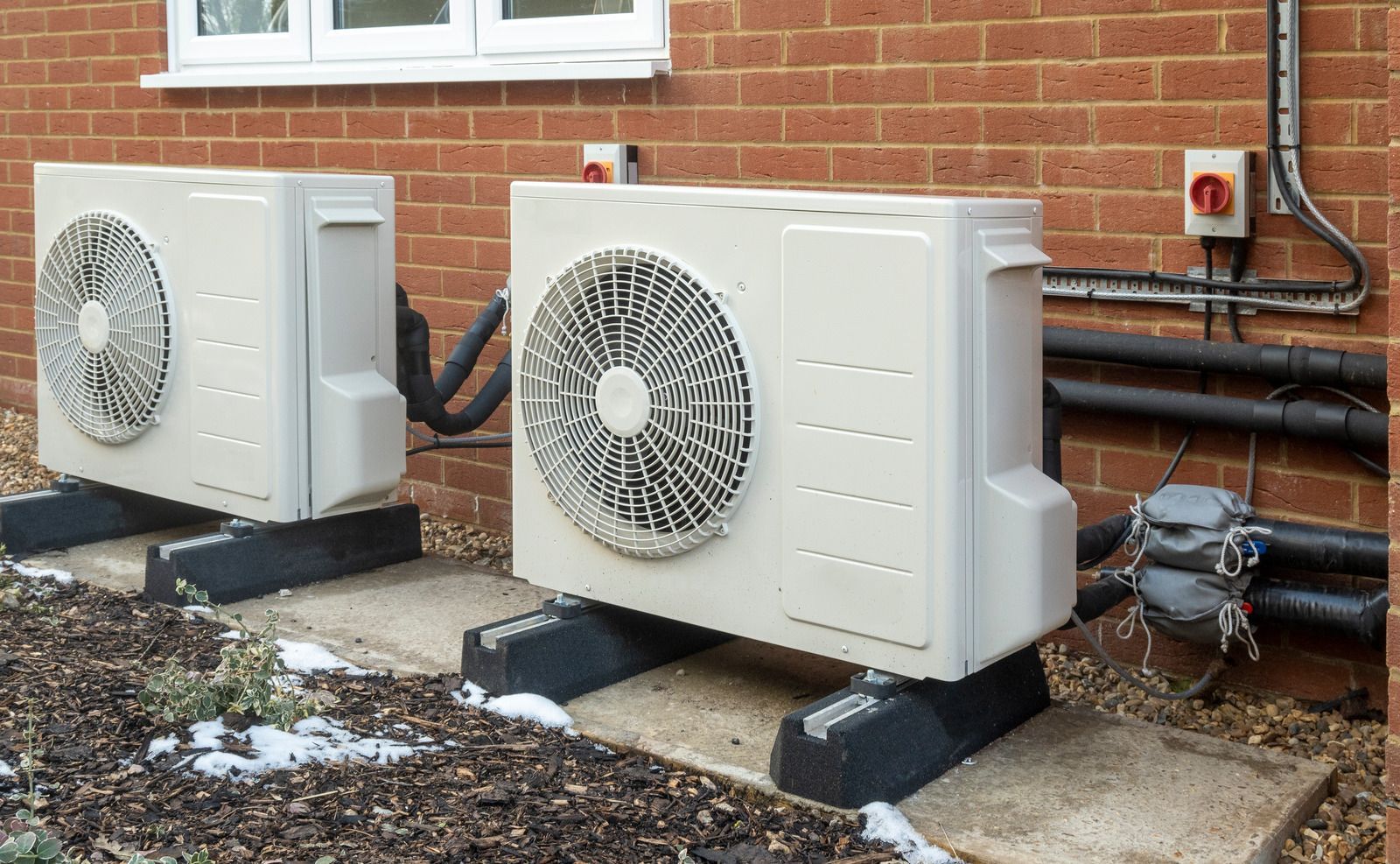
Frost naturally forms on an outdoor heat pump coil during cold, humid weather. During defrost, the system temporarily reverses operation to melt that frost while backup heat helps maintain indoor comfort. Steam from the outdoor unit and briefly cooler indoor air are normal signs of this cycle.
Tip: If your thermostat has an outdoor temperature display or app, note the reading when you first notice cooler-than-expected air. Compare it against your system's rated balance point, if you have that spec sheet, or just track how often backup heat engages over a week. A pattern of daily auxiliary heat use even on mild days, rather than only during the coldest snaps, is the clue that something besides the weather is driving it.
When It's More Than Just Cold Weather
Backup heat running occasionally during a deep freeze is expected. A handful of situations point toward an actual problem rather than normal cold-weather behavior, and they're worth ruling out before you assume the unit is undersized.
Ice Building Up and Not Clearing
Light frost that disappears during defrost is normal. Thick, persistent ice covering the coil, fan grille, or base is not. If it remains for hours, a failed defrost control, reversing valve, or outdoor fan motor could be preventing proper operation.
The House Never Catches Up
If indoor temperatures continue falling despite backup heat running, the system may have a genuine performance problem. Possible causes include low refrigerant, compressor trouble, or snow blocking the outdoor unit and restricting airflow needed for proper heat exchange.
Backup Heat Runs on Days That Aren't That Cold
Auxiliary heat running regularly around 30°F or 35°F may indicate a problem. A refrigerant leak, dirty outdoor coil, restricted airflow, or undersized equipment can reduce heating capacity and cause backup heat to activate earlier than expected.
A Breaker Keeps Tripping on the Outdoor Unit
A tripped outdoor-unit breaker can leave the indoor blower running without the compressor producing heat. The resulting airflow may feel distinctly cold. Because repeated breaker trips can indicate an electrical or equipment fault, the system should be professionally diagnosed before continued operation.
Warning: Never leave a heat pump switched to "emergency heat" mode as a long-term fix for a system that's underperforming. It bypasses the compressor entirely, so you'll be running on full electric resistance heat around the clock, which drives up an electric bill fast and does nothing to address whatever is actually wrong with the unit. Emergency heat is meant to get you through until a technician can diagnose the real issue, not to replace normal operation for days or weeks at a time.
What We Check When Backup Heat Won't Back Off
When a heat pump leans on auxiliary heat more than it should, or the house still isn't catching up, the diagnostic path is fairly consistent. We start outside at the unit itself, checking for ice buildup, blocked airflow from snow or debris, and whether the outdoor fan is cycling properly. From there we verify refrigerant charge and check the reversing valve, since a valve that's stuck or leaking internally will quietly rob the system of heating capacity long before it fails outright. We also check the defrost board and sensors, since a defrost cycle that's triggering too often, or not often enough, throws off the whole balance between compressor heat and backup heat.
Inside, we look at the electric heat strips themselves, confirm the thermostat is calling for the correct stage of heat rather than jumping straight to auxiliary, and check duct static pressure, since restricted airflow anywhere in the system forces the unit to work harder and can mimic the symptoms of a cold-weather capacity shortfall even on a moderate day.
Cold-Climate Sizing and Backup Options for a Montana Winter
Sizing Matters More Here Than in Milder Climates
Proper sizing is especially important in Montana's colder climate. Contractors use Manual J load calculations to account for insulation, square footage, and local temperatures. Correct sizing helps maintain a lower balance point and reduces unnecessary backup heat use.
Dual-Fuel Setups Pair a Heat Pump With a Propane or Gas Furnace
Dual-fuel systems combine a heat pump with a propane or gas furnace. The heat pump handles moderate cold, then the furnace takes over below a set temperature. This can reduce reliance on costly electric resistance heat during severe winter conditions.
Cold-Climate Rated Equipment Changes the Math
Cold-climate heat pumps are designed to maintain stronger heating performance at lower temperatures. Equipment meeting NEEP specifications can push the balance point into colder conditions, allowing the compressor to handle more winter demand before backup heat becomes necessary.
Frequently Asked Questions
Is it normal for a heat pump to feel like it's blowing cool air in winter?
Yes. Heat pumps produce cooler supply air than furnaces. If your home still reaches the thermostat setting, cooler-feeling airflow is generally normal during winter operation.
What temperature does backup heat usually kick in?
Backup heat activates when the heat pump cannot meet heating demand alone. Standard systems may need it around 25°F to 35°F, while cold-climate models operate efficiently at lower temperatures.
How can I tell the difference between auxiliary heat and emergency heat?
Auxiliary heat automatically supplements the compressor during cold weather or defrost cycles. Emergency heat manually shuts off the compressor and uses electric resistance heat, typically when the outdoor unit requires repair.
Why does my heat pump blow cool air for a few minutes and then warm back up?
This can happen during a defrost cycle. The system temporarily reverses operation to melt outdoor frost, while backup heat helps maintain indoor comfort until normal heating resumes.
Should I run my thermostat on emergency heat during a cold snap?
No. Emergency heat disables the compressor and relies entirely on electric resistance heating. It costs more to operate and should generally be reserved for situations where the outdoor unit has failed.
Can a dirty filter or blocked outdoor unit cause more backup heat use?
Yes. Dirty filters and snow, ice, or debris around the outdoor unit restrict airflow. The resulting performance loss can cause backup heat to activate more frequently than normal.
Understanding Heat Pump Performance in Deep Cold
A heat pump can feel different from a furnace during a Montana cold snap, but cooler supply air does not automatically mean something is wrong. As long as the home reaches the thermostat setting and auxiliary heat engages only when outdoor conditions demand it, the system is likely responding normally. Occasional defrost cycles, brief changes in airflow, and increased backup heat use are all expected when temperatures fall well below the system’s balance point.
For homeowners in Stevensville and the Bitterroot Valley, proper sizing, airflow, defrost operation, and cold-climate equipment all play a role in winter comfort. M&L Heating & Cooling, Inc
brings 30
years of experience serving Stevensville and the Bitterroot Valley of Montana, helping homeowners understand whether unusual heat pump behavior is simply a response to extreme weather or a sign that the system needs attention. Knowing what normal operation looks like makes it easier to recognize genuine problems before they become larger winter heating issues.