
Choosing the Best Residential HVAC System: A Homeowner’s Guide
Choosing the right residential HVAC system is one of the most consequential decisions a homeowner can make. Heating and cooling equipment directly affects comfort, indoor air quality, energy consumption, and long-term home operating costs. With advances in efficiency standards, smart technology, and system design, today’s HVAC options are far more sophisticated than they were even a decade ago. Homeowners are no longer choosing between just heating and cooling; they are selecting integrated comfort systems that must perform reliably in varied climates while meeting modern expectations for efficiency and sustainability. Additionally, modern systems often include features like zone control, advanced filtration, and humidity management, allowing homeowners to tailor their indoor environment precisely. Investing time in understanding these options can prevent costly mistakes and ensure optimal system performance for years to come.
The challenge is that HVAC systems are complex, and the wrong choice can lead to uneven temperatures, higher utility bills, frequent repairs, or premature system failure. Factors such as home size, insulation quality, climate conditions, and budget all play a critical role in determining which system will perform best. This guide is designed to help homeowners understand the key considerations involved in selecting a residential HVAC system. By breaking down system types, efficiency ratings, sizing principles, and practical decision-making criteria, this article provides clear, actionable insight to support confident, informed choices that deliver lasting comfort and value. Armed with this knowledge, homeowners can ask the right questions when consulting with HVAC professionals, compare options more effectively, and choose solutions that balance upfront costs with long-term savings. Ultimately, informed decisions reduce stress, enhance comfort, and extend the life of the home’s heating and cooling investment.
Understanding Residential HVAC System Types
Centralized and Distributed Comfort Solutions
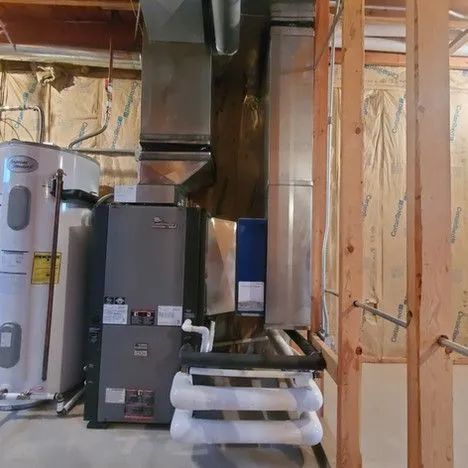
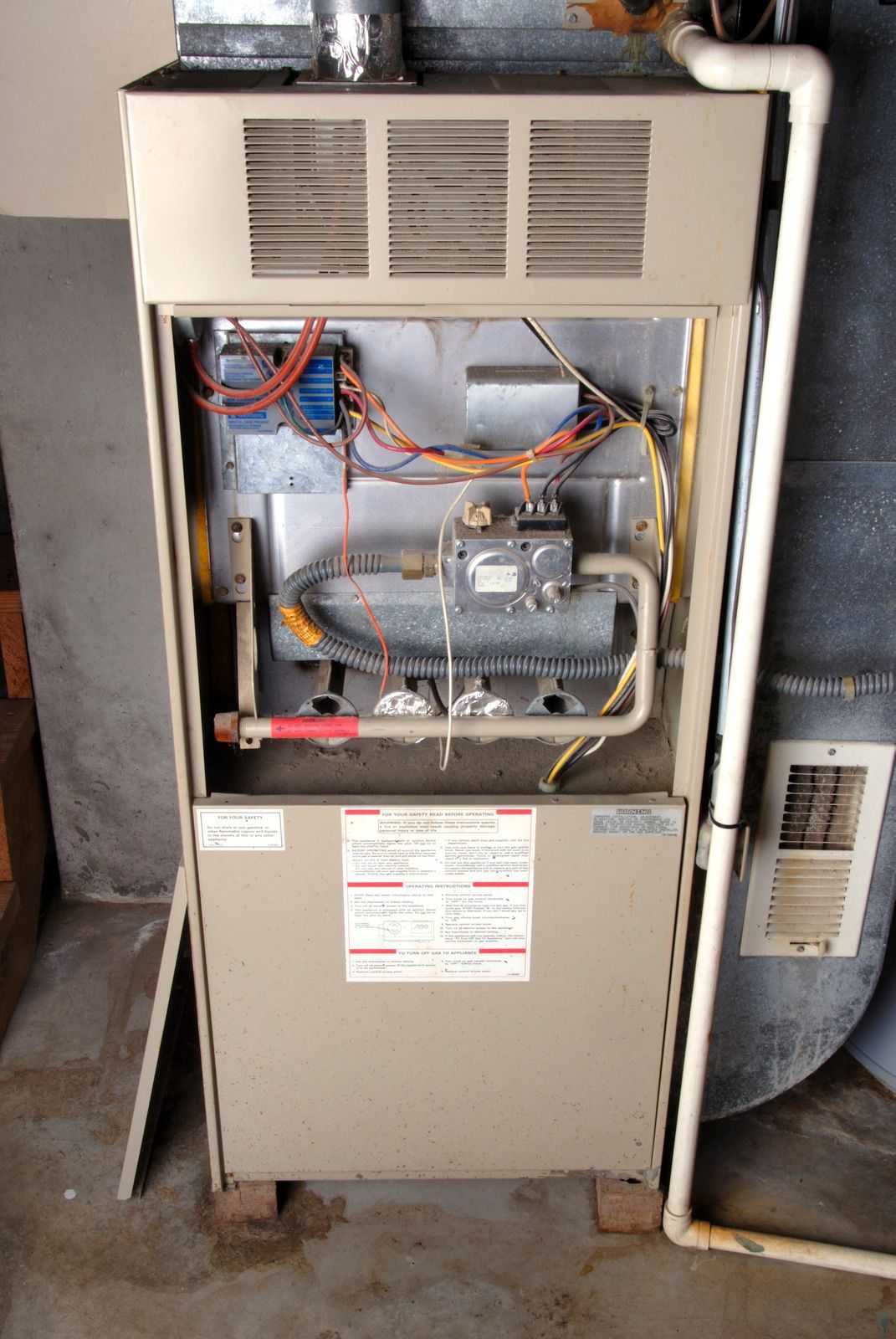
Residential HVAC systems fall into several main types, each suited to specific home layouts and comfort needs. Central air conditioning combined with a furnace remains common in single-family homes. These systems use ductwork to distribute conditioned air evenly, providing consistent temperatures throughout the home. They also work well with upgraded air filtration systems for healthier indoor environments year-round.
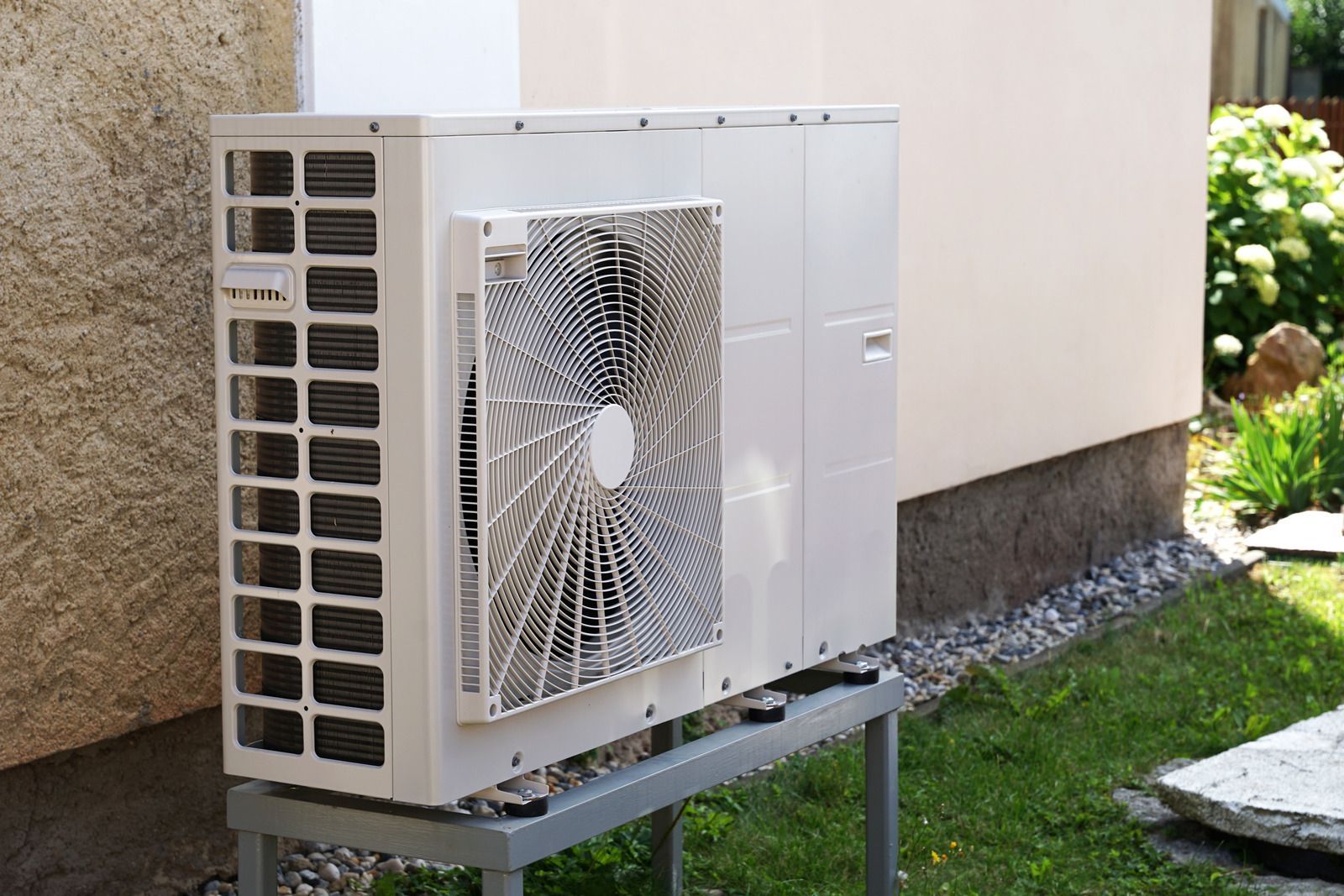
Heat pump systems are gaining popularity due to energy efficiency and dual-function heating and cooling. A heat pump transfers heat rather than generating it, offering savings and reduced environmental impact, especially in moderate climates. For homes without ductwork, ductless mini-splits provide zoned comfort, allowing individual room temperature control while avoiding the cost, complexity, and disruption of installing traditional duct systems throughout the home.
Boilers paired with radiant heating or baseboards represent another residential option, particularly in older homes. While these systems do not provide cooling, they offer consistent, comfortable heat. Radiant systems are quiet, efficient, and ideal for homes with high ceilings or uneven layouts. Understanding the differences between these HVAC types helps homeowners match options to structural, comfort, and infrastructure requirements effectively.
Evaluating Energy Efficiency and Performance
Energy efficiency is crucial when choosing an HVAC system because it directly affects utility costs and environmental impact. Ratings like SEER for cooling and AFUE for heating provide standardized measures for comparison. Higher ratings usually mean lower energy use over time. Although upfront costs may be higher, efficient systems often save money while offering quieter operation and better long-term reliability.
Modern HVAC systems often include variable-speed motors and advanced compressors that adjust output based on demand. This ensures more consistent indoor temperatures while reducing energy waste and unnecessary cycling. Smart thermostats enhance efficiency further by learning household patterns and optimizing operations automatically. Homeowners benefit from reduced bills, improved comfort, and longer equipment life, making technology integration a key consideration in system selection decisions.
Efficiency should always be considered in the context of long-term savings and durability. High-efficiency systems typically operate more quietly, require less maintenance, and experience slower component wear. Over time, reduced energy consumption can offset higher installation costs, delivering financial benefits and environmental advantages. Properly selected and maintained systems provide consistent comfort, lower operational costs, and a more sustainable household heating and cooling solution.
Proper Sizing and Load Calculations
One of the most common HVAC mistakes is improper sizing. Oversized systems short-cycle, turning on and off frequently, which reduces efficiency and increases component wear. Undersized systems struggle to maintain comfort during extreme temperatures, running continuously and consuming more energy. Correct sizing ensures balanced performance, comfort, and longevity, avoiding costly mistakes that affect utility bills and system reliability over time.
Professional load calculations, based on Manual J standards, evaluate square footage, insulation, window placement, ceiling height, and local climate. These calculations determine the ideal system capacity for a home’s actual heating and cooling needs. Relying on rules-of-thumb can overlook critical variables, resulting in underperforming systems. Accurate calculations provide homeowners confidence in selecting equipment that matches real-world requirements precisely and efficiently.
Proper sizing benefits both comfort and system lifespan. A correctly sized HVAC system maintains stable indoor temperatures, reduces unnecessary wear, and operates efficiently under all conditions. It prevents short-cycling, energy waste, and uneven heating or cooling. By investing in professional assessment and proper equipment selection, homeowners ensure reliable performance, predictable operating costs, and a comfortable indoor environment year-round without unexpected surprises.
Climate, Home Design, and Lifestyle Considerations
Climate is a major factor when choosing an HVAC system. Homes in cold regions prioritize high-efficiency heating, while warmer climates need advanced cooling solutions. Heat pumps perform well in mild areas but may require supplemental heating in extreme cold. Selecting a system suited to local weather ensures comfort, efficiency, and cost-effectiveness throughout the year for homeowners’ unique climate conditions.
Home design also affects system performance. Multi-story homes often experience uneven temperatures, making zoning systems or variable-speed equipment beneficial. Open floor plans typically favor centralized systems, while older homes with unusual layouts may benefit from ductless solutions. Considering layout and airflow challenges ensures consistent comfort, prevents energy waste, and helps homeowners select the most practical system for the structure of their residence.
Lifestyle factors influence HVAC selection and operation. Families with irregular schedules benefit from programmable or smart thermostats, while households with allergy concerns may prioritize filtration or humidity control. Matching system features to daily routines ensures convenience and effectiveness. By integrating lifestyle preferences with climate and home design considerations, homeowners achieve a heating and cooling solution that is both practical and reliable long-term.
Installation Quality, Maintenance, and Long-Term Value
Even the most advanced HVAC system will underperform if not installed properly. Correct installation ensures accurate refrigerant levels, secure duct connections, and optimal airflow. Poor installation can negate efficiency ratings and cause recurring performance issues. Professional installation protects comfort, energy efficiency, and system reliability, ensuring that homeowners fully benefit from their investment while avoiding costly repairs and early equipment failure.
Maintenance is essential for lasting HVAC performance. Regular inspections, filter replacements, and tune-ups prevent breakdowns and maintain efficiency. Some technologies require specialized service, so understanding maintenance needs is critical when choosing a system. Routine care extends equipment life, reduces unexpected expenses, and preserves manufacturer warranties. Homeowners who prioritize maintenance enjoy consistent comfort and lower long-term operational costs.
Long-term value involves more than immediate performance. Homeowners should consider warranty coverage, expected lifespan, and availability of replacement parts. A well-selected system delivers comfort, predictable energy costs, and reliable performance for many years. Investing in quality installation, proper maintenance, and suitable equipment ensures that the HVAC system remains efficient, durable, and effective, providing both financial and practical benefits over its lifetime.
Choosing the best residential HVAC system requires more than comparing prices or brand names. Homeowners must consider system type, efficiency ratings, proper sizing, climate compatibility, and installation quality to achieve reliable, long-term comfort. A thoughtful selection process reduces energy costs, minimizes repair risks, and ensures consistent indoor conditions throughout the year. By understanding how different systems operate and how they align with specific home characteristics, homeowners can avoid common pitfalls and make informed decisions that protect both comfort and investment. An HVAC system is not just a piece of equipment; it is an essential component of a healthy, efficient home environment. Taking the time to evaluate options carefully leads to better performance, greater peace of mind, and lasting value that supports everyday living for years to come.
Skilled Technicians Committed to Reliable Heating and Cooling
M&L Heating & Cooling, Inc. has built a reputation for dependable residential comfort solutions by combining deep technical knowledge with decades of hands-on experience. Serving homeowners throughout Stevensville and the Bitterroot Valley of Montana, the company understands the unique demands that local climate conditions place on heating and cooling systems. With 30 years of industry experience, their team brings practical insight to every recommendation, ensuring that each HVAC system is selected, installed, and maintained with long-term performance in mind.
Their approach aligns closely with the principles outlined in this guide: proper system sizing, efficiency-driven choices, and meticulous installation practices. Homeowners benefit from clear explanations, honest guidance, and solutions tailored to their specific homes rather than one-size-fits-all recommendations. This commitment to quality and professionalism has positioned M&L Heating & Cooling, Inc. as a trusted authority in
residential HVAC services. For homeowners seeking comfort systems that balance efficiency, reliability, and value, partnering with an experienced local provider makes all the difference.