
Geothermal HVAC Maintenance: Expert Tips for Maximizing Efficiency
Geothermal HVAC systems are becoming popular for their eco-friendliness and energy efficiency. These systems use the Earth's natural heat to warm and cool homes. However, like all HVAC systems, they need proper maintenance to function efficiently. Regular care ensures the system's longevity, reduces energy costs, and maintains a comfortable indoor environment. Below are some expert tips on maintaining a geothermal HVAC system to maximize its efficiency.
1. Regularly Check the Heat Pump
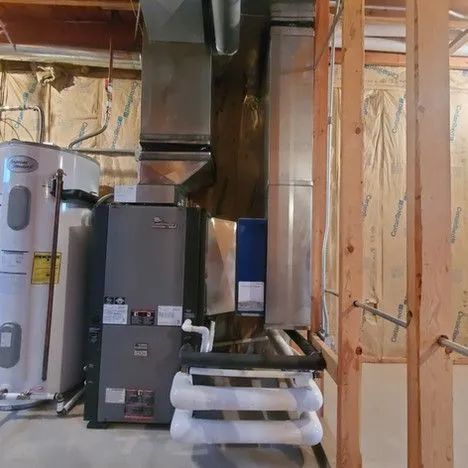
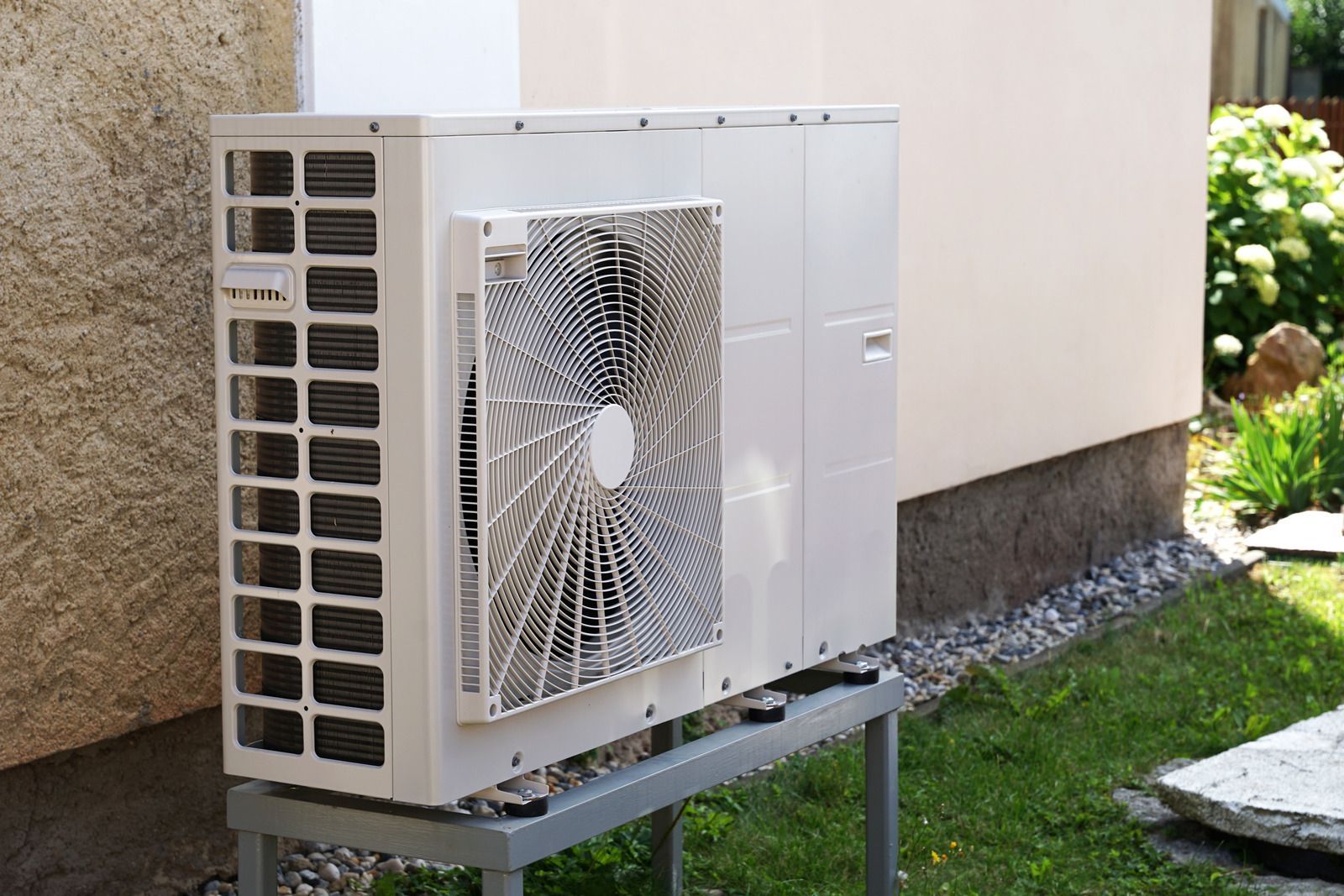
The heat pump is the core component of a geothermal HVAC system. It is responsible for transferring heat to and from the ground. Regularly inspecting the heat pump ensures it is running smoothly. Check for any unusual noises or vibrations, which can indicate issues. If you notice anything out of the ordinary, contact a professional technician immediately. Regular servicing of the heat pump can prevent significant problems and maintain the system’s efficiency.
2. Clean and Replace Air Filters
Air filters are essential for keeping the air clean and the system running efficiently. Over time, these filters can get clogged with dust, dirt, and other particles. A clogged filter makes the system work harder, leading to higher energy bills and possible damage. Check the air filters every month and clean or replace them if necessary. Clean air filters ensure smooth airflow, improve indoor air quality and help the geothermal system run efficiently.
3. Monitor the Thermostat Settings
The thermostat controls the temperature settings of your geothermal HVAC system. It is crucial to set it correctly to ensure the system’s efficiency. During the summer, set the thermostat higher when no one is home to save energy. In winter, lower the thermostat at night or when you are away. Modern thermostats allow programming and can even learn your habits over time. Monitoring and adjusting the thermostat settings can help reduce energy consumption and lower utility bills.
4. Inspect the Ground Loops
The ground loops are the part of the geothermal system that absorbs and releases heat from the ground. Regularly inspect these loops for any signs of leaks or damage. If the loops are not working correctly, the entire system’s efficiency can be affected. Check the pressure in the loops to ensure it is within the recommended range. If you notice any problems, contact a professional technician. Proper maintenance of the ground loops can prevent costly repairs and ensure the system operates efficiently.
5. Check the Ductwork for Leaks
Ductwork is responsible for distributing heated or cooled air throughout the building. Leaks in the ducts can cause air loss, reducing the system's efficiency. Regularly inspect the ductwork for any leaks, gaps, or blockages. Seal any leaks with duct tape or mastic sealant. Keeping the ductwork in good condition ensures that air reaches every room and the geothermal system operates efficiently.
6. Schedule Regular Professional Inspections
While homeowners can perform some maintenance tasks, scheduling regular professional inspections is essential. A certified technician has the skills and tools to thoroughly check the geothermal system. They can detect potential problems early and provide necessary repairs or adjustments.
Maintaining a geothermal HVAC system is essential for its efficiency, longevity, and cost-effectiveness. Regularly checking the heat pump, cleaning air filters, monitoring thermostat settings, inspecting ground loops, checking ductwork, scheduling professional inspections, and maintaining proper water flow can help keep the system running smoothly. By following these expert tips, homeowners can enjoy a comfortable indoor environment while saving on energy costs and reducing their environmental impact.