
Ways To Reduce Home Allergens with an HVAC System
Allergens in your home can cause discomfort. Dust particles, pollen, pet hair, and mold spores often trigger sneezing or worsen breathing issues. An HVAC system can help improve air quality when used correctly. Maintaining it well limits allergens and enhances overall comfort. Follow these tips to keep your home healthier and your system performing its best.
Replace Air Filters Regularly
Filters trap unwanted particles. Over time, these filters collect dirt, pollen, and other pollutants. Replacing them every few months keeps them working effectively. High-quality filters capture smaller particles, offering cleaner air. Check them periodically to maintain proper airflow and filtration.
Clean Ducts for Better Airflow
Dust and debris collect inside air ducts over time. This buildup re-enters your home as air circulates. Cleaning ducts reduces allergens in the air. Schedule professional duct cleaning periodically. Keeping ducts clean also improves energy efficiency and enhances airflow throughout your living spaces.
Use an Air Purifier
Adding an air purifier to your HVAC system removes fine particles. Pet dander, mold spores, and other irritants get trapped more effectively. Whole-home purifiers work alongside HVAC systems, delivering cleaner air in all rooms. Choose one compatible with your current setup for the best results.
Control Indoor Humidity
Excess moisture in the air encourages mold growth and dust mites. Maintaining humidity between 30% and 50% reduces these issues. Many HVAC systems include options to adjust humidity levels. Balancing moisture levels not only reduces allergens but also protects furniture and walls from damage.
Seal Cracks and Gaps
Unsealed areas around windows, doors, and vents allow outdoor pollutants inside. Sealing these gaps blocks allergens from entering. Insulation also prevents energy loss, improving HVAC performance. A properly sealed home keeps indoor air cleaner and reduces the load on your system.
Schedule Routine HVAC Maintenance
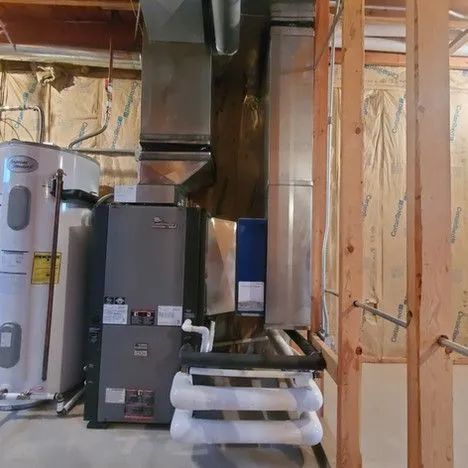
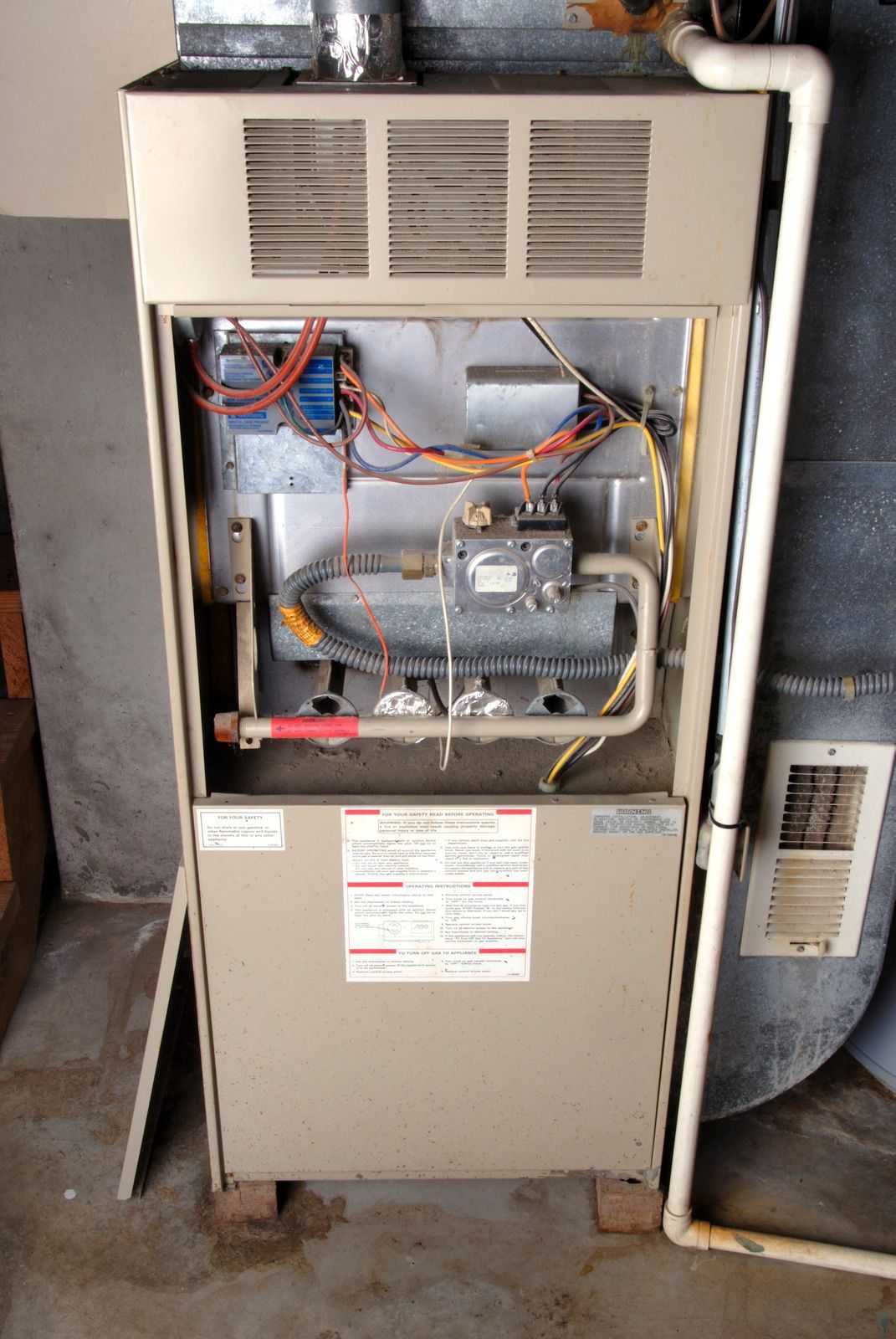
Professional inspections keep systems running at their best. Technicians clean essential parts like coils and fans, removing dust buildup. They also check for mold and confirm all components function well. Regular maintenance prevents allergens from spreading and prolongs system lifespan.
Install Ultraviolet Lights
Mold and bacteria can grow inside HVAC systems. Ultraviolet lights kill these harmful organisms. Installing them near coils and air ducts prevents growth, keeping your air cleaner. Fewer contaminants in the system mean fewer allergens circulating indoors.
Upgrade to Advanced Systems
Older systems may lack efficient filtration capabilities. Upgrading to modern options improves air quality. Look for systems designed with advanced filtering technology. Many include built-in purifiers or dehumidifiers, offering better performance and healthier air.
Vacuum and Dust Frequently
Dust settles on furniture, floors, and carpets. Using a vacuum with a HEPA filter eliminates particles effectively. Regular cleaning complements your HVAC system’s work. Keeping surfaces clean reduces the overall allergen load in your home.
Keep Outdoor Units Free from Debris
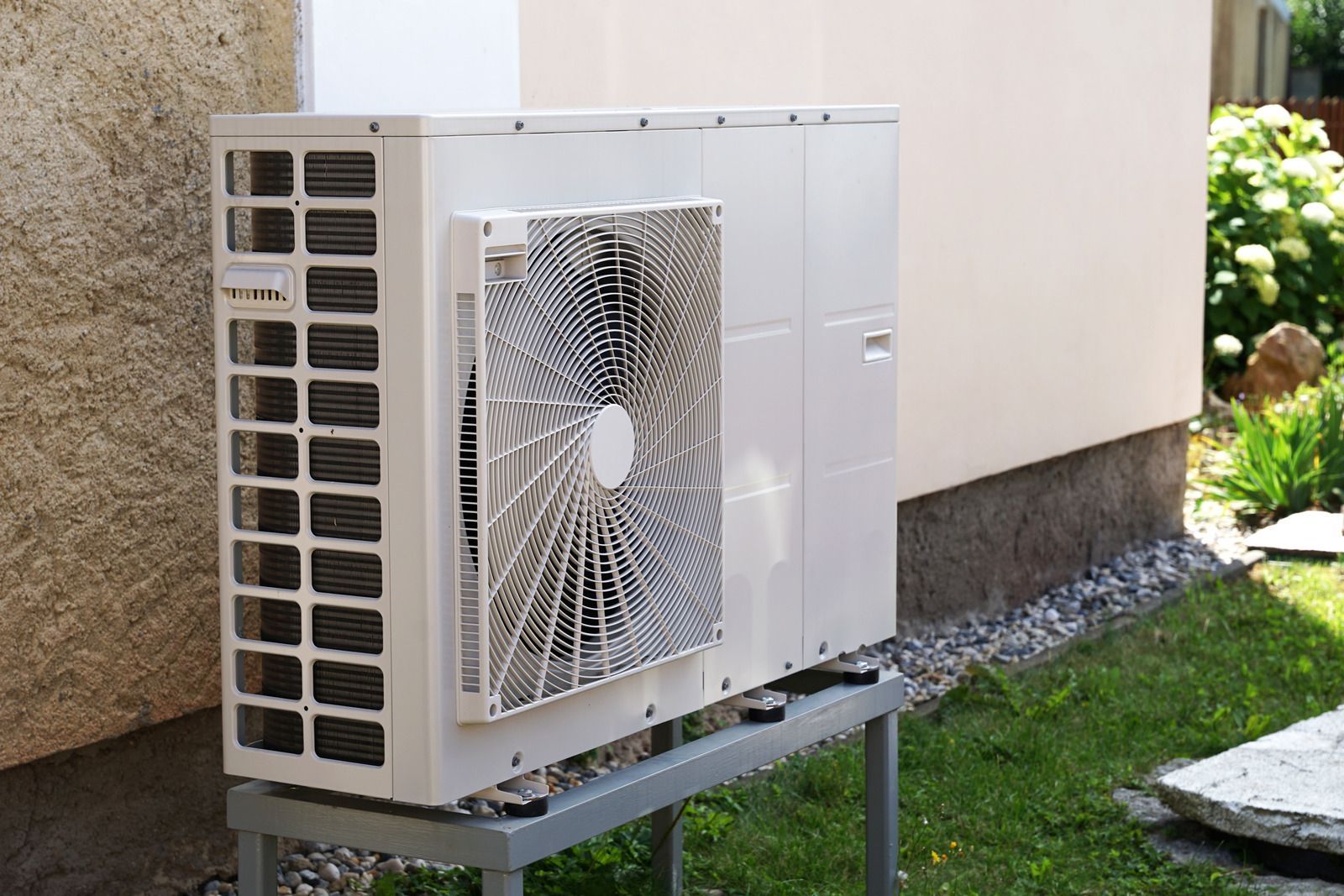
Outdoor units collect leaves, dirt, and other debris. Regularly clearing these areas maintains smooth operation. Clean surroundings prevent blockages and help maintain proper airflow into your home. A clean unit helps keep allergens from spreading indoors.
Using these strategies improves air quality at home. An HVAC system, combined with proper care, creates a healthier living environment. Regular maintenance, cleaning, and upgrading equipment where necessary protect your family from allergens. Start applying these methods to enjoy fresher, healthier air indoors!