
What is Geothermal HVAC and How It Can Cut Your Energy Bills
As energy costs continue to rise and homeowners seek sustainable solutions, geothermal HVAC systems have emerged as a highly efficient alternative to traditional heating and cooling methods. Unlike conventional systems that rely solely on air temperature, geothermal HVAC harnesses the consistent temperatures beneath the Earth’s surface to regulate indoor environments. This innovative approach not only reduces energy consumption but also contributes to a smaller carbon footprint, making it an increasingly attractive option for environmentally conscious households and businesses alike. Understanding how geothermal systems function and the benefits they offer is essential for anyone looking to optimize energy efficiency and lower monthly utility bills.
The relevance of geothermal HVAC extends beyond energy savings. Modern building standards and green construction initiatives emphasize sustainable practices, and geothermal technology aligns perfectly with these trends. By using the Earth’s stable underground temperature, these systems provide reliable heating in winter and cooling in summer while reducing strain on the electrical grid. Additionally, advances in technology have made installation and maintenance more feasible than ever, allowing homeowners to enjoy long-term savings and comfort. In this blog, we will explore how geothermal HVAC works, its advantages, potential challenges, and strategies for maximizing its efficiency, helping you make informed decisions about upgrading your home or commercial property.
How Geothermal HVAC Works
The Basics of Geothermal Energy
Geothermal HVAC systems operate on a simple yet powerful principle: the Earth maintains a relatively constant temperature just a few feet below the surface, typically between 50°F and 60°F (10°C–16°C), depending on your location. Unlike the fluctuating outdoor air temperature, this underground consistency provides a stable source of thermal energy that can be used year-round for heating and cooling. By tapping into this natural energy, geothermal systems can efficiently transfer heat to and from the ground, reducing reliance on conventional fuel sources like natural gas or electricity.
Key Components of a Geothermal System
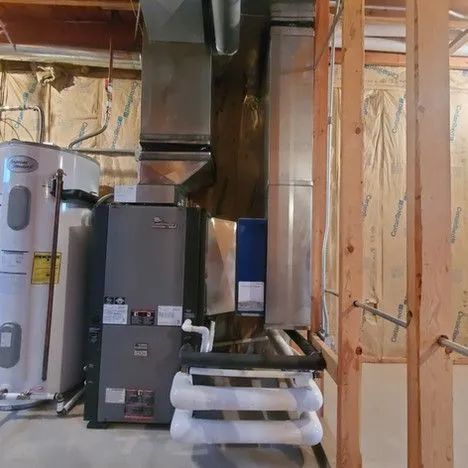
A typical geothermal HVAC setup consists of three main components: a ground loop, a heat pump, and a distribution system. The ground loop is a series of pipes buried underground that circulates a water or antifreeze solution to absorb or dissipate heat. The heat pump extracts this thermal energy and transfers it to the building’s air or water system. Finally, the distribution system—often connected to ductwork or radiant floor heating—delivers the conditioned air throughout the space. Vertical and horizontal loop configurations are available, allowing flexibility based on available land, soil conditions, and building size.
Heating and Cooling Cycle
During winter, the fluid circulating through the ground loop absorbs heat from the Earth and carries it to the heat pump. The heat pump then compresses the thermal energy and distributes it indoors, providing consistent warmth. In summer, the process reverses: excess heat from the building is transferred back into the ground, effectively cooling the interior. This closed-loop system minimizes energy loss, maintains indoor comfort, and significantly reduces the operational costs associated with traditional HVAC units.
Real-world Example: A mid-sized home in Montana using a geothermal system can achieve energy efficiency ratings up to 400%—meaning for every unit of electricity consumed, the system produces four units of heating or cooling. This efficiency far surpasses traditional air-source heat pumps, which typically reach 200–300%.
Energy Efficiency and Cost Savings
Lower Energy Consumption
Geothermal HVAC systems are widely recognized for their impressive energy efficiency. By leveraging the Earth’s stable temperature, they require significantly less electricity to achieve the same heating or cooling results as conventional systems. On average, geothermal systems can reduce heating and cooling costs by 30–60%, depending on the size of the property and local climate conditions. Unlike gas furnaces or electric heaters, geothermal systems avoid inefficiencies associated with fuel combustion or fluctuating outdoor air temperatures.
Long-Term Financial Benefits
Although the upfront cost of installing a geothermal HVAC system is higher than traditional systems, the long-term savings often outweigh initial expenses. Reduced utility bills, coupled with potential federal and state tax incentives for renewable energy adoption, can shorten the payback period to 5–10 years. In addition, geothermal systems typically have a longer lifespan; ground loops can last over 50 years, while heat pumps can operate efficiently for 20–25 years, compared to 15–20 years for conventional HVAC units.
Real-Life Scenario
Consider a homeowner in Stevensville, Montana, replacing an aging gas furnace and air conditioner with a geothermal system. While the installation may cost $25,000–$30,000, the homeowner could save approximately $2,000–$3,000 per year on energy bills. Within a decade, these savings can offset the initial investment while providing superior comfort and environmental benefits.
Energy Efficiency Tips
To maximize savings, it is important to ensure proper installation, insulation, and regular maintenance. Optimizing thermostat settings, sealing ductwork, and maintaining unobstructed ground loops can further improve system efficiency. These measures allow homeowners to fully capitalize on the cost-saving potential of geothermal HVAC.
Environmental Benefits and Sustainability
Reducing Carbon Footprint
Geothermal HVAC is not only economically advantageous but also environmentally responsible. By using renewable energy from the Earth, these systems significantly reduce greenhouse gas emissions compared to fossil fuel-based heating and cooling. For a typical household, switching to geothermal HVAC can prevent several tons of CO₂ emissions annually, contributing to cleaner air and a healthier environment.
Water and Resource Efficiency
Unlike conventional systems that may consume large amounts of water for cooling towers or fuel extraction, geothermal units operate using closed-loop systems, recycling water or antifreeze solutions efficiently. This minimizes water waste and reduces the strain on municipal resources, making geothermal systems an eco-friendly choice for both urban and rural settings.
Supporting Green Building Standards
For commercial properties and residential buildings pursuing LEED or ENERGY STAR certification, geothermal HVAC is an effective way to achieve high sustainability standards. The system aligns with modern energy codes, reduces reliance on non-renewable resources, and provides a long-term solution for environmentally conscious building practices.
Installation, Maintenance, and Challenges
Installation Considerations
Installing a geothermal HVAC system requires careful planning and site evaluation. Factors such as soil composition, available land, water table levels, and building size influence the type and layout of the ground loop. Horizontal loops are ideal for properties with ample land, while vertical loops are suitable for smaller lots or urban settings. Expert consultation is crucial to ensure proper system sizing and configuration, which directly affects efficiency and longevity.
Maintenance Requirements
One of the major advantages of geothermal systems is low maintenance. Ground loops are durable and require minimal intervention, while heat pumps benefit from regular inspections, cleaning of air filters, and occasional system checks. Unlike traditional furnaces or air conditioners, there are no combustion components, refrigerant leaks are minimal, and operational wear is lower, translating into fewer service calls and longer service intervals.
Common Challenges
Despite the benefits, geothermal HVAC systems are not without challenges. High upfront costs can be a barrier for some homeowners, and improper installation may reduce efficiency or lead to system failures. Additionally, retrofitting existing buildings may require additional adjustments, such as upgrading ductwork or integrating radiant floor systems. Proper planning, professional installation, and ongoing maintenance are essential to overcoming these obstacles and achieving maximum efficiency.
Maximizing the Benefits of Geothermal HVAC
Best Practices for Homeowners
To fully realize the advantages of a geothermal HVAC system, homeowners should focus on strategic implementation. Proper site selection and loop design are foundational to system performance. Choosing a reputable contractor ensures correct installation and optimal sizing, preventing energy losses or system inefficiencies.
Energy Management Tips
Integrating smart thermostats, zoning systems, and automated energy monitoring can further enhance efficiency. By adjusting indoor temperatures according to occupancy patterns, homeowners can reduce unnecessary energy consumption. Combining geothermal HVAC with supplemental energy-saving measures, such as LED lighting, high-efficiency windows, and proper insulation, creates a holistic approach to reducing energy bills and carbon footprint.
Real-World Results
Families and businesses that invest in geothermal systems often report consistent comfort levels, minimal noise, and year-round energy savings. These systems provide reliable heating and cooling even in extreme climates, reducing reliance on fossil fuels while delivering measurable cost savings.
Experienced HVAC Professionals Delivering Sustainable Energy Solutions
Geothermal HVAC represents a transformative approach to heating and cooling, offering significant energy efficiency, cost savings, and environmental benefits. By tapping into the stable temperatures beneath the Earth’s surface, these systems provide consistent comfort while reducing reliance on conventional energy sources. Homeowners and businesses can benefit from long-term savings, lower utility bills, and a reduced carbon footprint, making geothermal technology a viable solution for both residential and commercial applications.
For more than 30 years,
M&L Heating & Cooling, Inc. has been serving Stevensville and the Bitterroot Valley of Montana with unmatched expertise in HVAC solutions. Our team specializes in evaluating, installing, and maintaining geothermal HVAC systems tailored to each customer’s unique needs. With decades of experience, we combine technical knowledge with personalized service to ensure maximum energy efficiency and long-term comfort. Whether upgrading an existing system or planning a new installation,
M&L Heating & Cooling, Inc. is your trusted partner for reliable, sustainable heating and cooling solutions in the Bitterroot Valley.