
What to Expect During an HVAC Installation: A Homeowner’s Step‑by‑Step Guide
Installing a new HVAC system is a major investment in your home’s comfort and energy efficiency. While the process may seem daunting, understanding what to expect at each stage can make the experience smoother and less stressful. Homeowners who are well-informed about the steps involved in HVAC installation can better plan, communicate with their contractors, and feel confident that the new system will deliver optimal performance for years to come.
Initial Consultation and Assessment
The process begins with a professional HVAC technician visiting your home to evaluate your current system and overall needs. During this consultation, they assess factors such as the size of your home, insulation levels, airflow requirements, and any existing ductwork or system limitations. The goal is to recommend the right type and size of system that ensures efficient heating and cooling without unnecessary energy costs. Accurate sizing is crucial, as an improperly sized system can lead to higher utility bills, uneven comfort, and premature wear.
Choosing the Right System
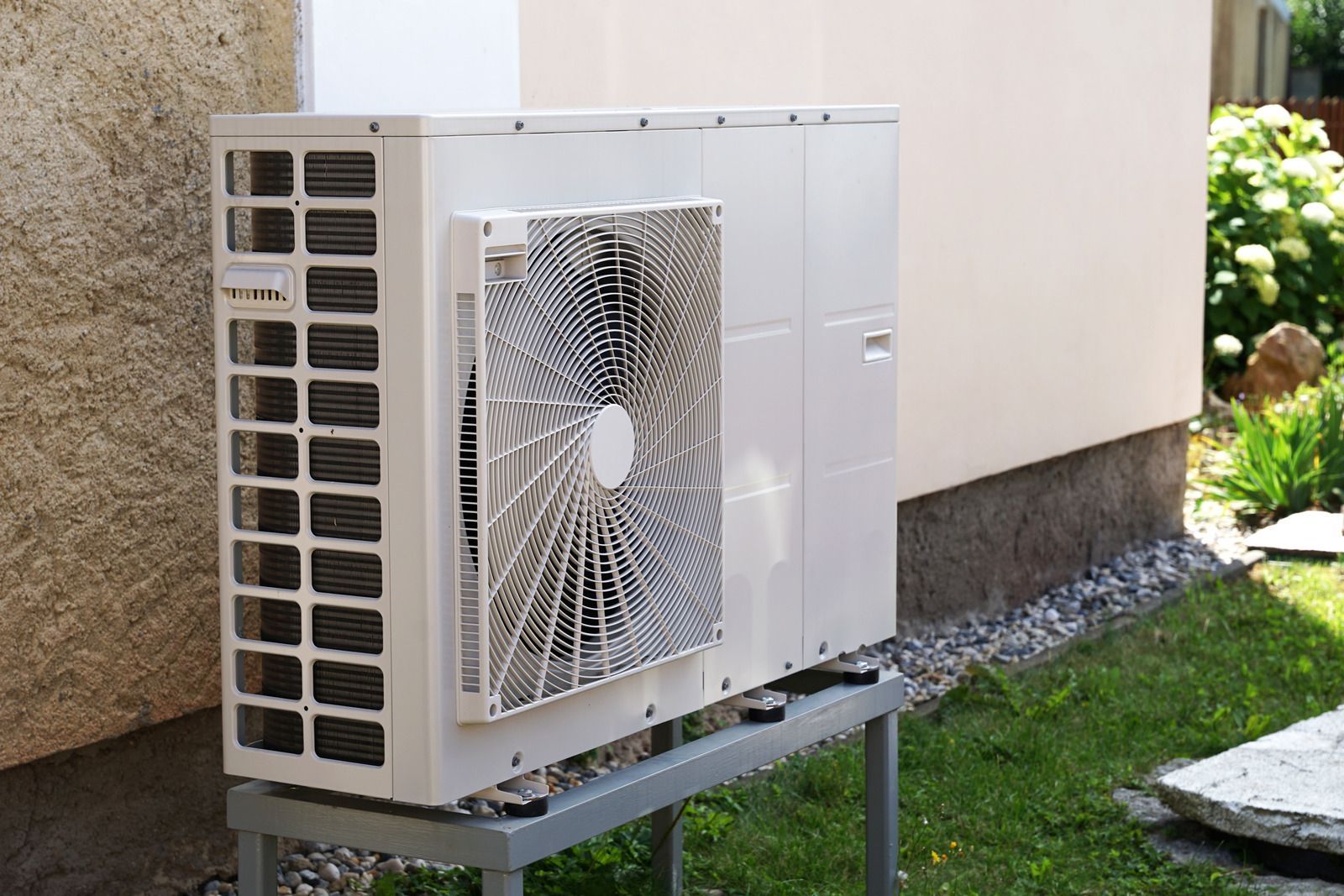
Based on the assessment, your HVAC contractor will present system options, which may include high-efficiency furnaces, air conditioners, heat pumps, or smart thermostats. This step often involves discussing features, energy ratings, and potential rebates or incentives. Homeowners can ask questions about reliability, noise levels, and expected maintenance to make an informed decision. The right choice balances comfort, efficiency, and long-term value for your household.
Preparing Your Home
Before installation begins, your home must be prepared for the work. This may involve clearing access to the existing system, protecting floors and furniture, and ensuring proper ventilation for safety. Technicians may also inspect the electrical panel, ductwork, or refrigerant lines to confirm they meet code requirements. Preparation reduces delays and ensures the installation proceeds efficiently.
Installation Process
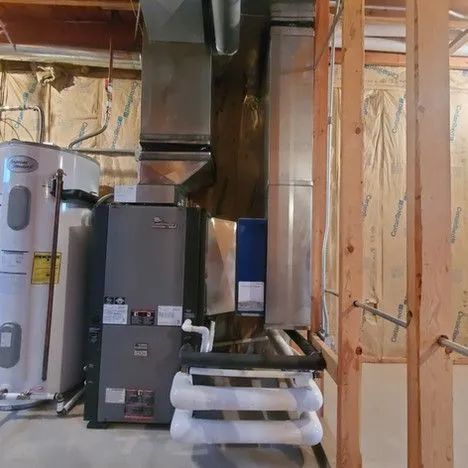
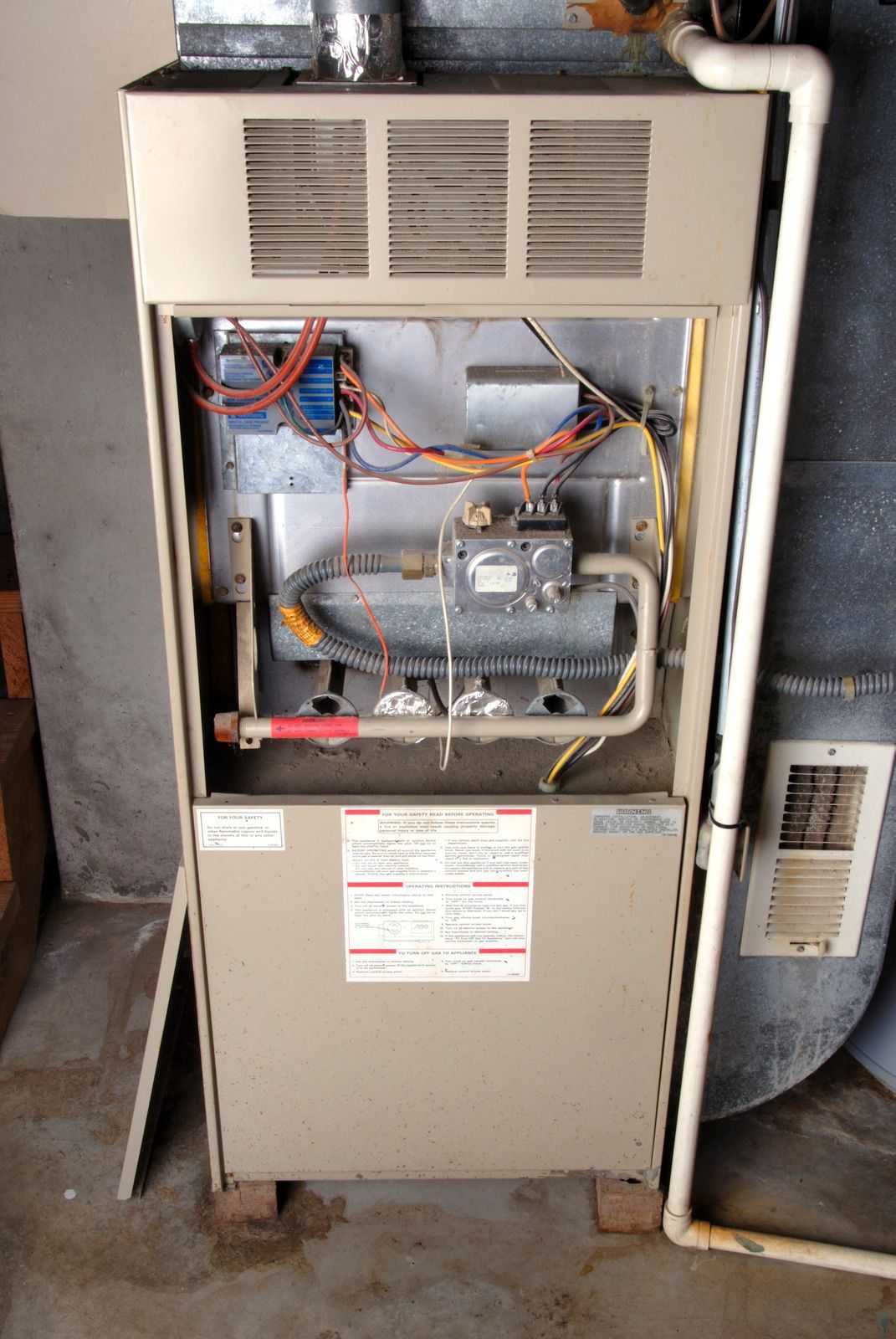
The actual installation typically occurs over one or two days, depending on the system’s complexity. Technicians remove the old equipment, carefully handle refrigerants and components, and install the new system according to manufacturer specifications. This stage includes connecting electrical systems, setting up thermostats, sealing ductwork, and testing for proper airflow and refrigerant charge. A thorough installation ensures your HVAC system operates efficiently, safely, and reliably.
System Testing and Homeowner Orientation
Once the installation is complete, the technician conducts a full system test to verify proper operation, airflow, and temperature consistency. Homeowners are walked through the controls, learning how to operate the thermostat, adjust settings, and perform basic maintenance tasks such as filter replacement. This step ensures you feel comfortable managing your new system and understand how to maximize its efficiency and lifespan.
Post‑Installation Support
A reputable HVAC contractor will provide documentation, warranties, and maintenance recommendations. Regular maintenance, including seasonal inspections and filter changes, keeps the system running smoothly and can prevent costly repairs. Homeowners are encouraged to schedule routine check-ups to maintain peak performance and energy efficiency over time.
Conclusion
For homeowners in Stevensville and the Bitterroot Valley of Montana, M&L Heating & Cooling, Inc
offers
professional HVAC installation services, expert guidance, and ongoing support. From consultation to system testing, their experienced technicians ensure every step is handled with precision, delivering comfort, efficiency, and peace of mind for years to come.