
Mini-Split Installation: What Every Homeowner Needs to Know
Installing a mini-split system in your home can be a smart choice for efficient heating and cooling. These systems provide a flexible solution for indoor comfort, especially in homes without ductwork. Before deciding to install one, homeowners should consider some essential factors. Remembering these factors while installing a mini-split will help you choose the right one for your home. So, read the article to gain in-depth knowledge of Mini-Split Installation.
Understanding Mini-Split Systems
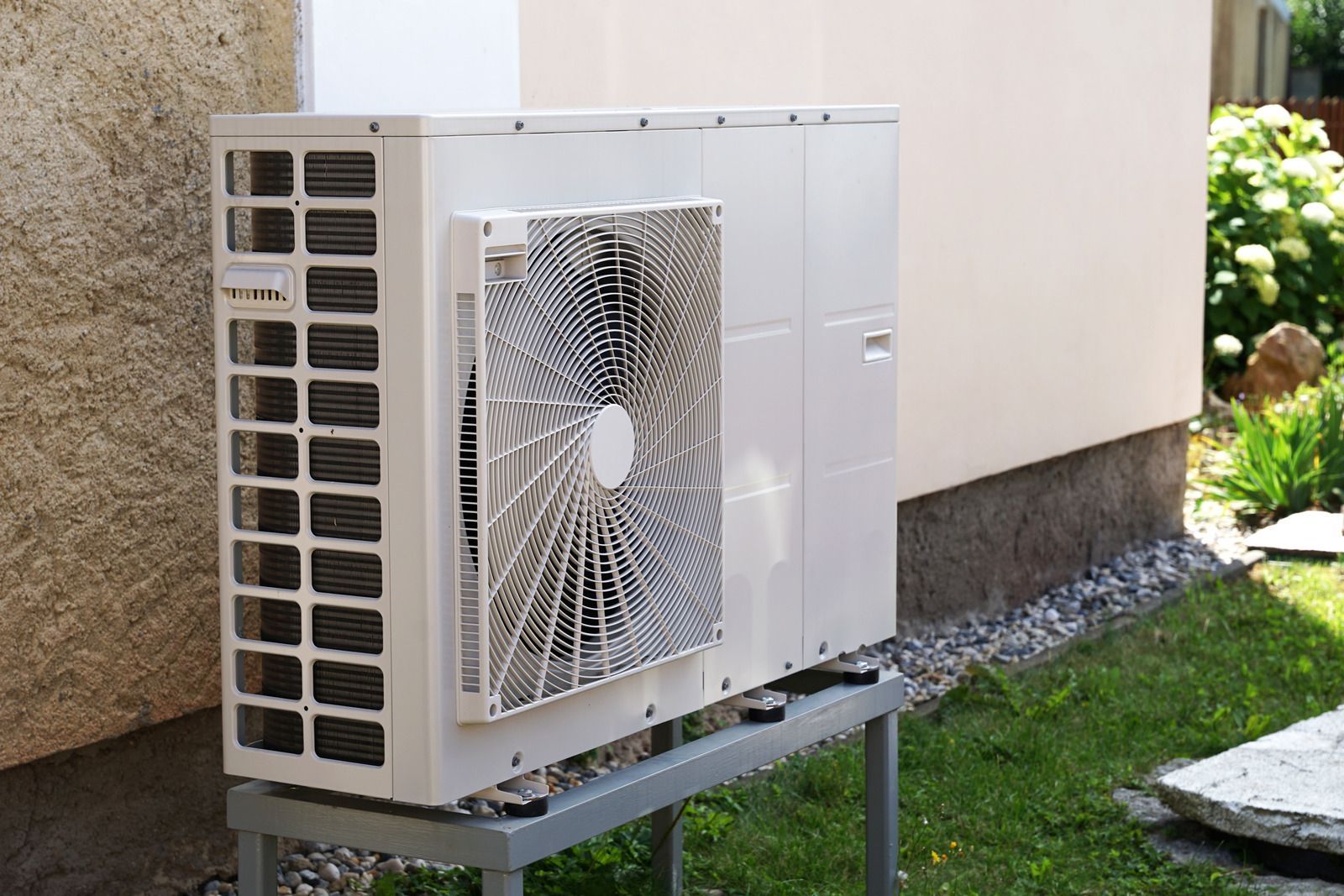
Understanding the basic factors is crucial before installing mini-split systems in your home. It’s a great solution for both summer and winter since you can use it to cool or heat your rooms, depending on your needs. Mini-splits generally consist of two main components: an outdoor unit and one or more indoor units. They are connected by a small conduit that houses the refrigerant lines and electrical wiring. The system works by transferring heat between the indoor and outdoor units. It is a great solution for both summer and winter because you can use it to cool and heat your rooms as per your needs.
The climate control feature of mini-splits sets them apart from other systems. It allows you to heat or cool only the spaces you’re using. You can control the temperature in individual rooms or areas of your home.
Choosing the Right System for Your Home
One of the first steps in the installation process is selecting a system that fits your home's requirements. You must consider two major factors: the size of your home or room and energy efficiency.
Size and Layout of Room or Home:
Mini-split systems come in different sizes, and choosing the right one depends on factors such as the size of the rooms and the overall layout of your home. For instance, larger spaces or homes with open floor plans may require multiple indoor units to maintain an even temperature in all areas.
Energy Efficiency:
You should also consider energy efficiency when choosing the right system. Many mini-split systems have high SEER ratings, meaning they use less energy to provide the same cooling or heating as less efficient systems. Paying attention to these factors can help you save on energy costs over time.
Professional Installation is Key
While mini-splits may seem like straightforward systems, installation is best left to professionals. Proper installation ensures the system works efficiently and avoids common issues like refrigerant leaks, electrical problems, or poor airflow. An experienced technician will ensure the outdoor unit is placed in an optimal location, essential for the system’s overall performance.
Regular Maintenance for Longevity
Once your mini-split system is installed, regular maintenance is crucial for keeping it running smoothly. Simple tasks like cleaning the filters, checking refrigerant levels, and inspecting the outdoor unit for debris can go a long way in maintaining system efficiency and extending its lifespan. Scheduling an annual check-up with a professional technician ensures the system continues to operate at peak performance.
Conclusion
Installing a mini-split system can be a great way to improve home comfort while keeping energy costs under control. Choosing the right system and relying on professional installation is important to ensure long-term satisfaction. With proper care and maintenance, your mini-split can provide reliable heating and cooling for years.