
What Should Homeowners Expect During A Professional HVAC Installation?
Installing a new HVAC system is an important investment for any homeowner, and understanding what happens during the process helps reduce stress and ensures smooth preparation. A professional installation involves more than simply setting up new equipment; it includes careful planning, removal of old systems, precise installation, and detailed testing to confirm everything works as it should.
Homeowners who know what to expect can plan ahead, avoid surprises, and feel confident that their new system will deliver comfort and efficiency for years to come. From the first evaluation to the final walkthrough, every step plays a vital role in creating a reliable and long-lasting heating and cooling solution.
Initial Home Evaluation
The installation process often begins with an in-home assessment. A professional technician examines the size of the home, existing ductwork, insulation, and overall layout. This step helps determine the correct system size, as a unit that is too small or too large will not perform efficiently.
During the evaluation, the technician may also answer questions about energy efficiency ratings, available options, and cost expectations. This stage ensures that the system chosen will match the needs of the household and provide consistent comfort throughout the year.
Removing the Old System
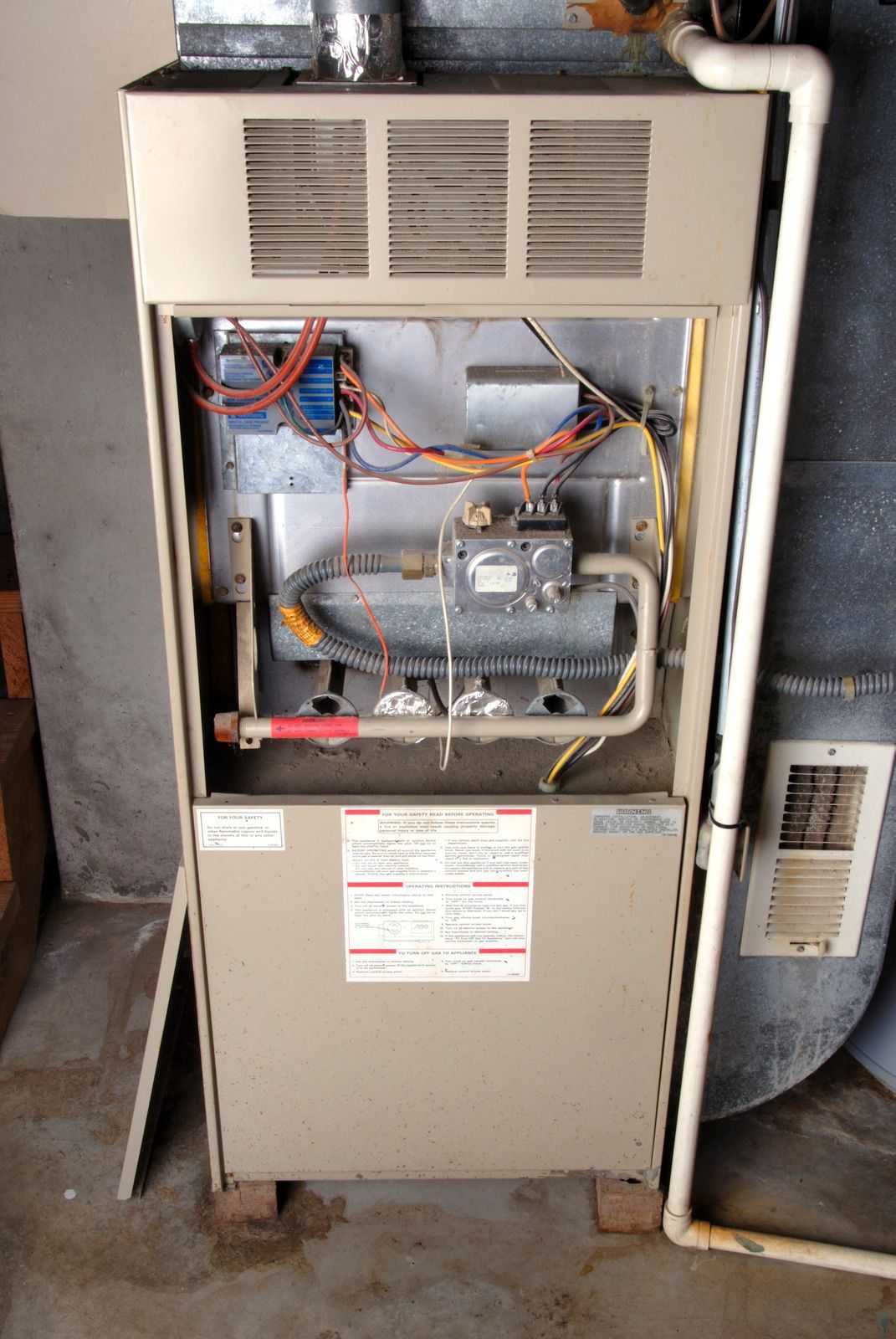
If an old system is in place, it must be safely removed before new equipment can be installed. Technicians disconnect the power supply, remove refrigerant if necessary, and carefully dismantle the existing unit. This step requires skill to ensure that no damage occurs to surrounding structures or ductwork.
Proper disposal of the old system is also handled at this stage, which saves the homeowner from dealing with bulky equipment or hazardous materials.
Preparing the Installation Area
Once the old system is removed, the area must be prepared for the new installation. This may include cleaning, repairing, or modifying ductwork, upgrading electrical connections, or improving ventilation.
Proper preparation is crucial for efficient operation and prevents issues later on. If new ductwork is needed, technicians will install or seal it to make sure airflow remains balanced and free of leaks. Every adjustment made during this step supports the long-term performance of the system.
Installing the New Equipment
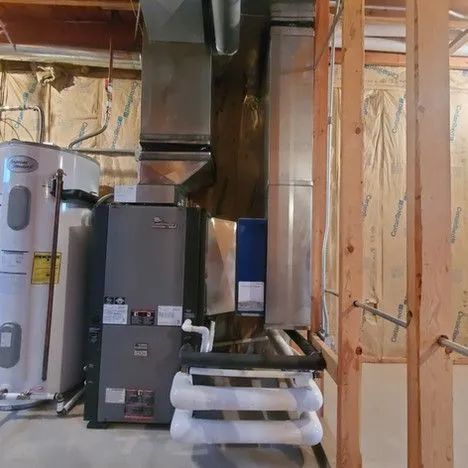
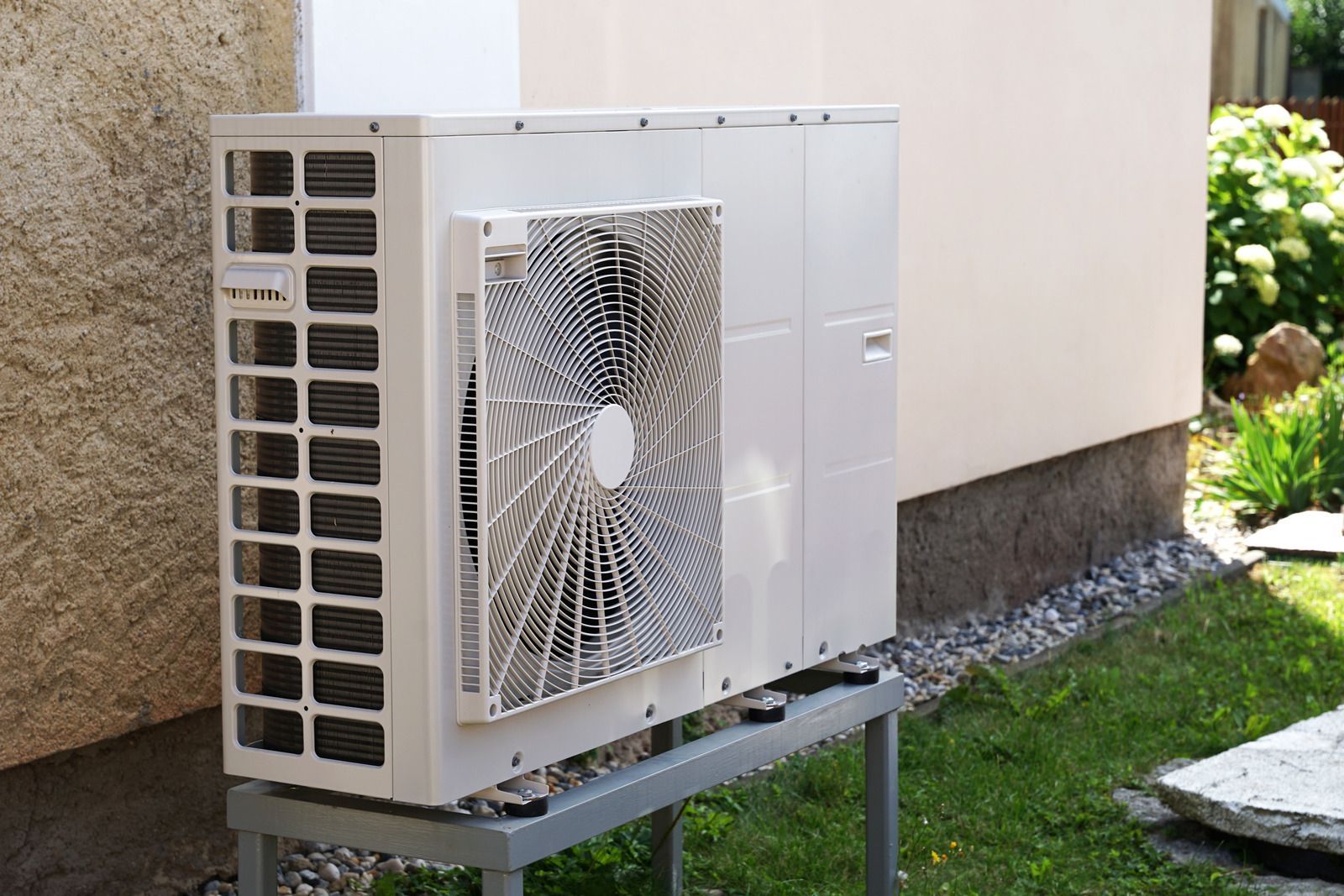
With the space ready, technicians bring in the new HVAC unit and begin connecting it to ducts, electrical systems, and refrigerant lines. Each connection is tested to ensure safety and accuracy. The system is carefully positioned to allow for easy maintenance in the future.
Modern HVAC systems often include programmable thermostats or smart controls, which technicians also set up during this stage. Correct installation makes a major difference in efficiency and comfort, so professionals pay close attention to detail during the entire process.
System Testing and Final Walkthrough
After installation is complete, the new HVAC system must be tested to confirm proper operation. Technicians check airflow, thermostat function, and energy performance. They also listen for unusual noises and confirm that all safety measures are working correctly. Once testing is done, homeowners receive a full walkthrough.
During this time, the technician explains how to operate the system, replace filters, and schedule future maintenance. This step ensures that homeowners feel comfortable managing their new equipment.
Conclusion
For homeowners in Stevensville and the Bitterroot Valley of Montana, M&L Heating & Cooling, Inc
provides professional HVAC installations that include careful planning, precise setup, and thorough testing, ensuring reliable comfort and long-lasting performance in every household.